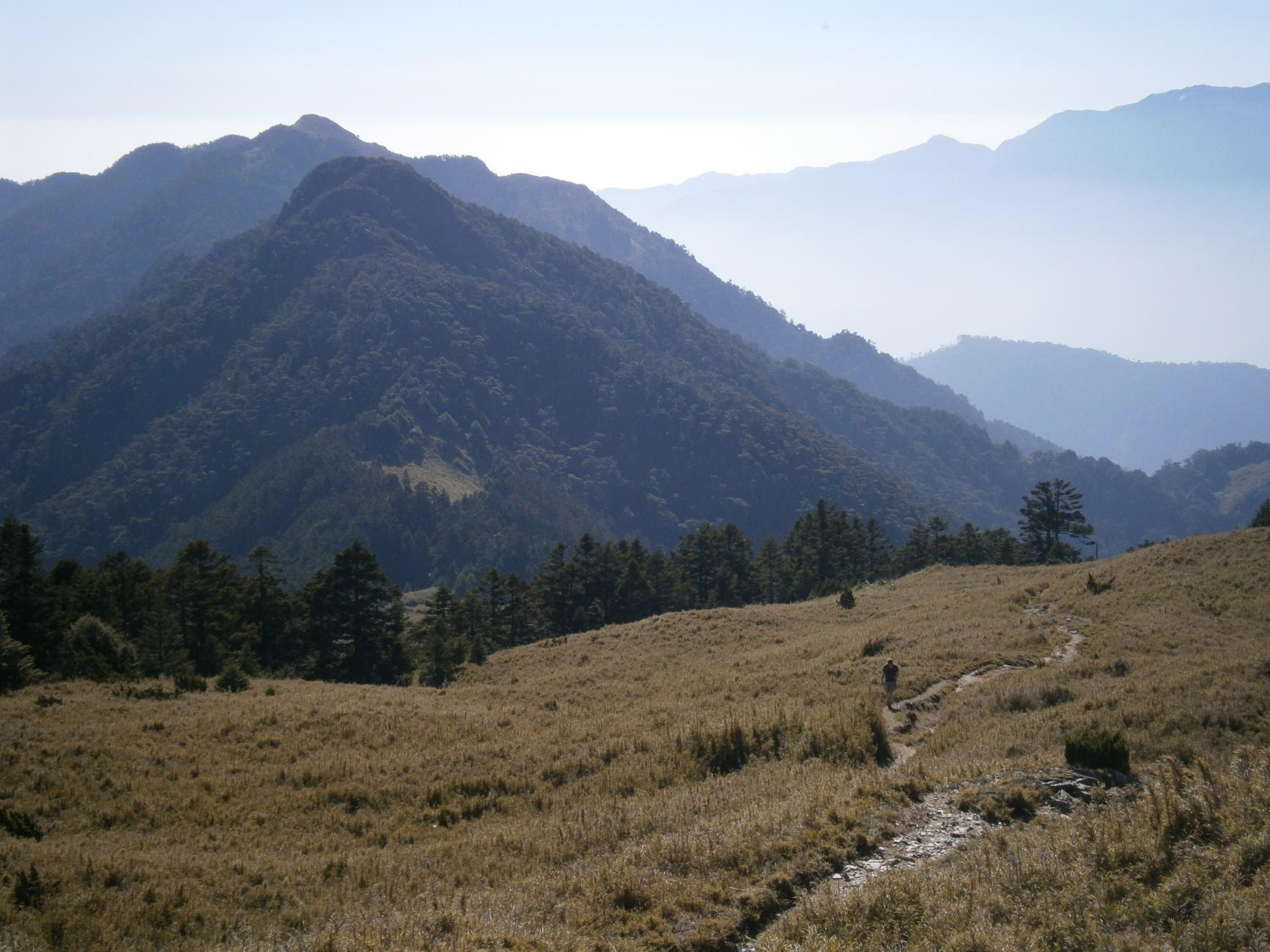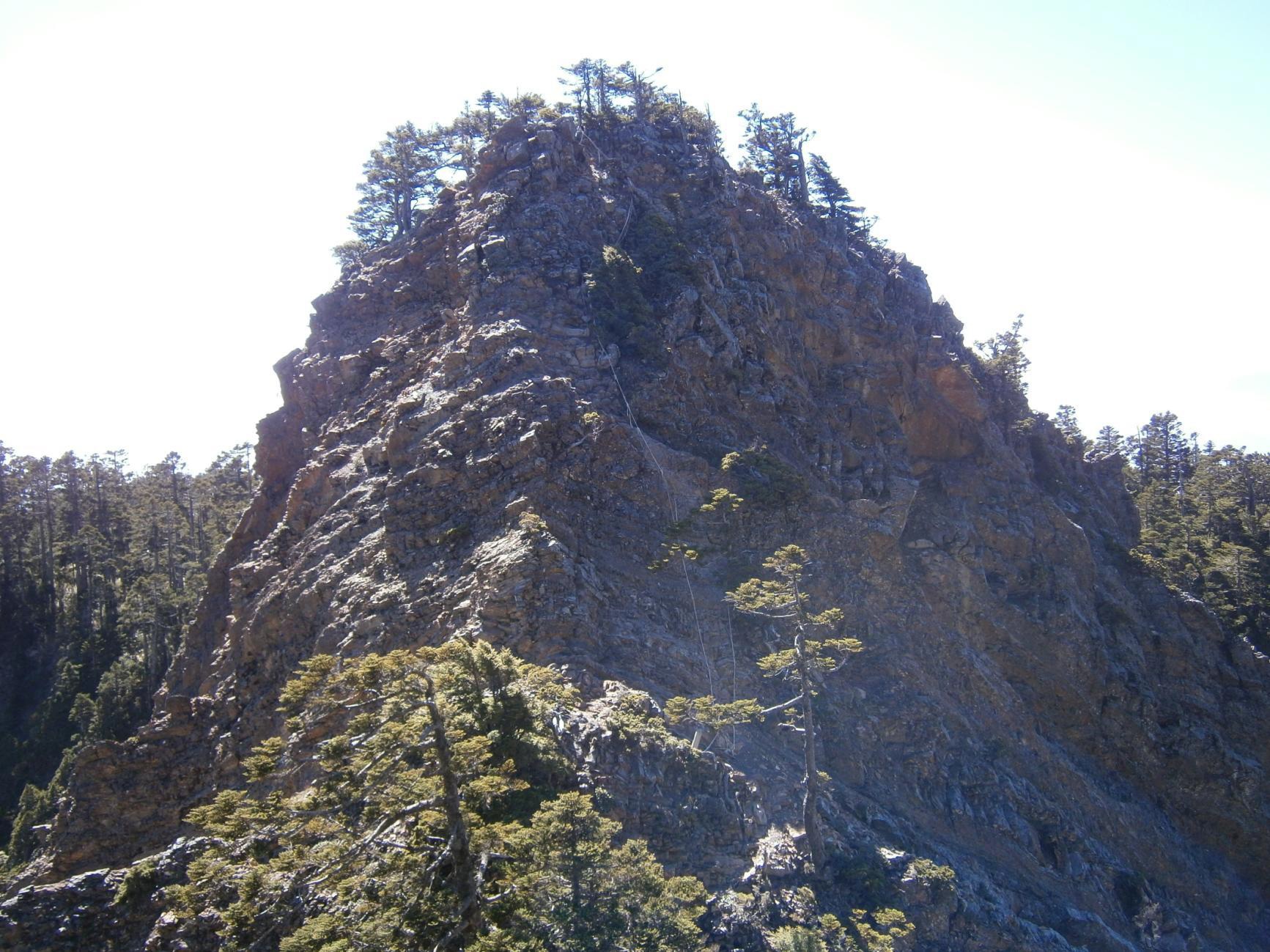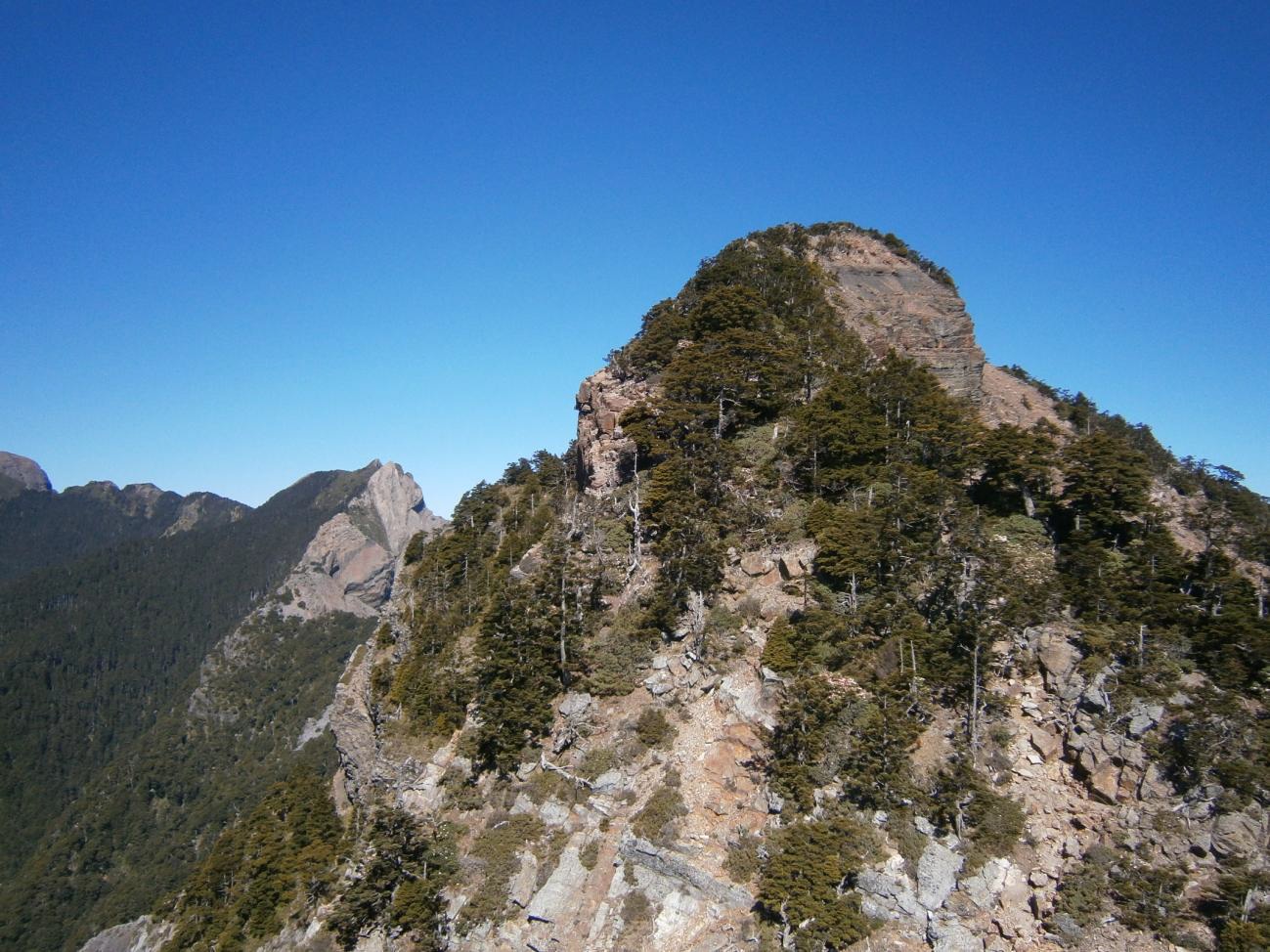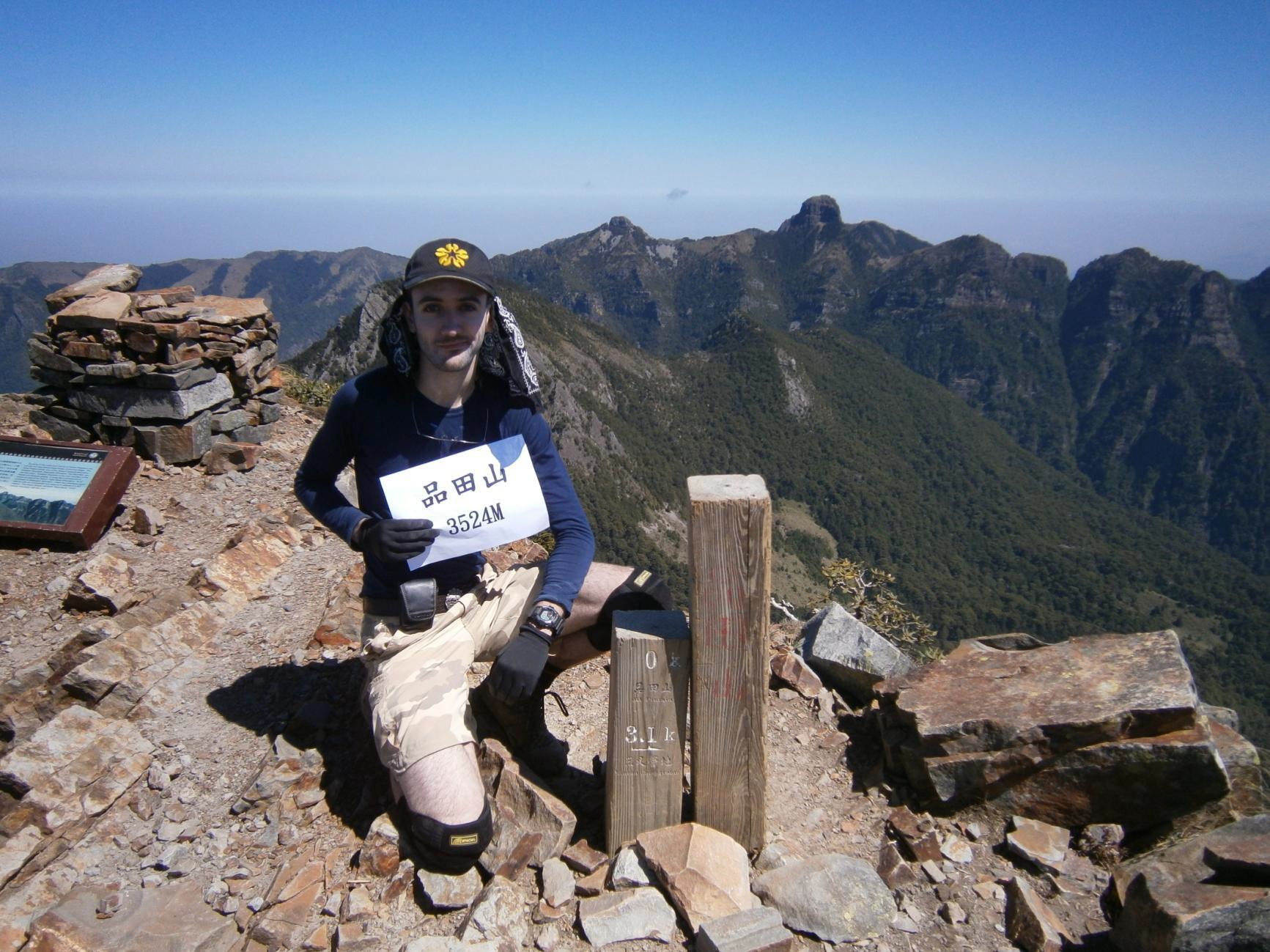
Jade Mountain Seven Peaks – 玉山七峰 – April 2012

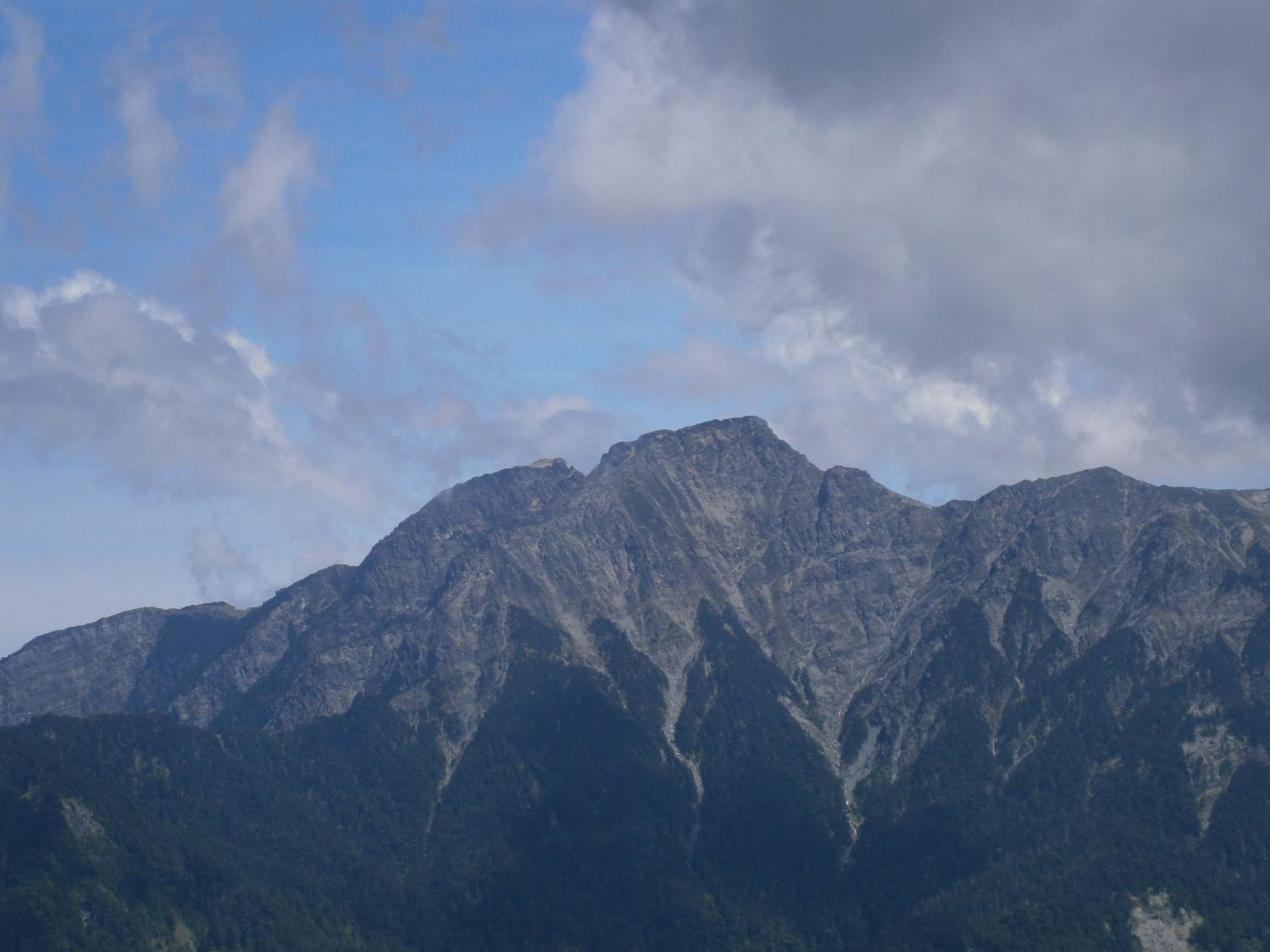
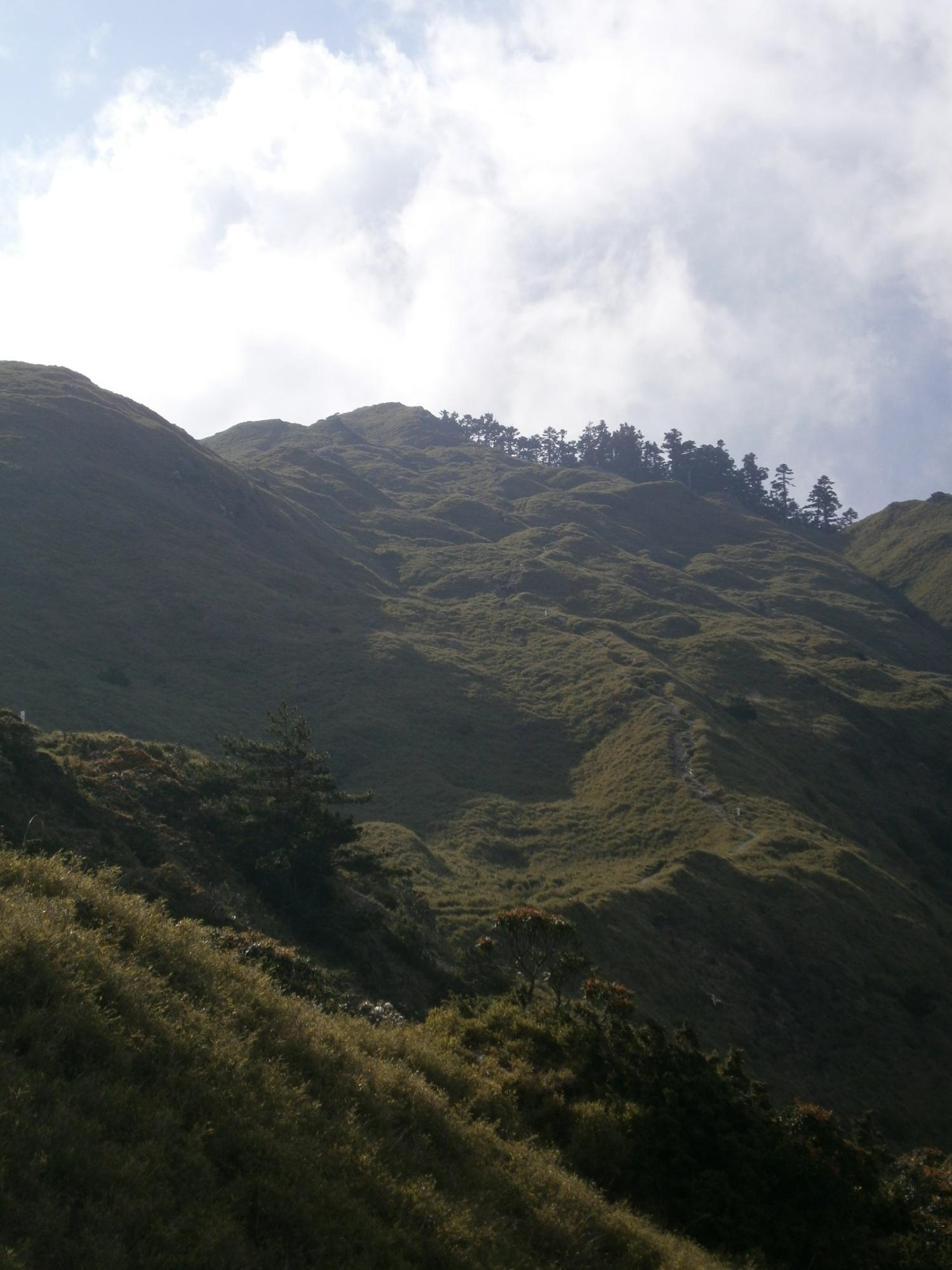
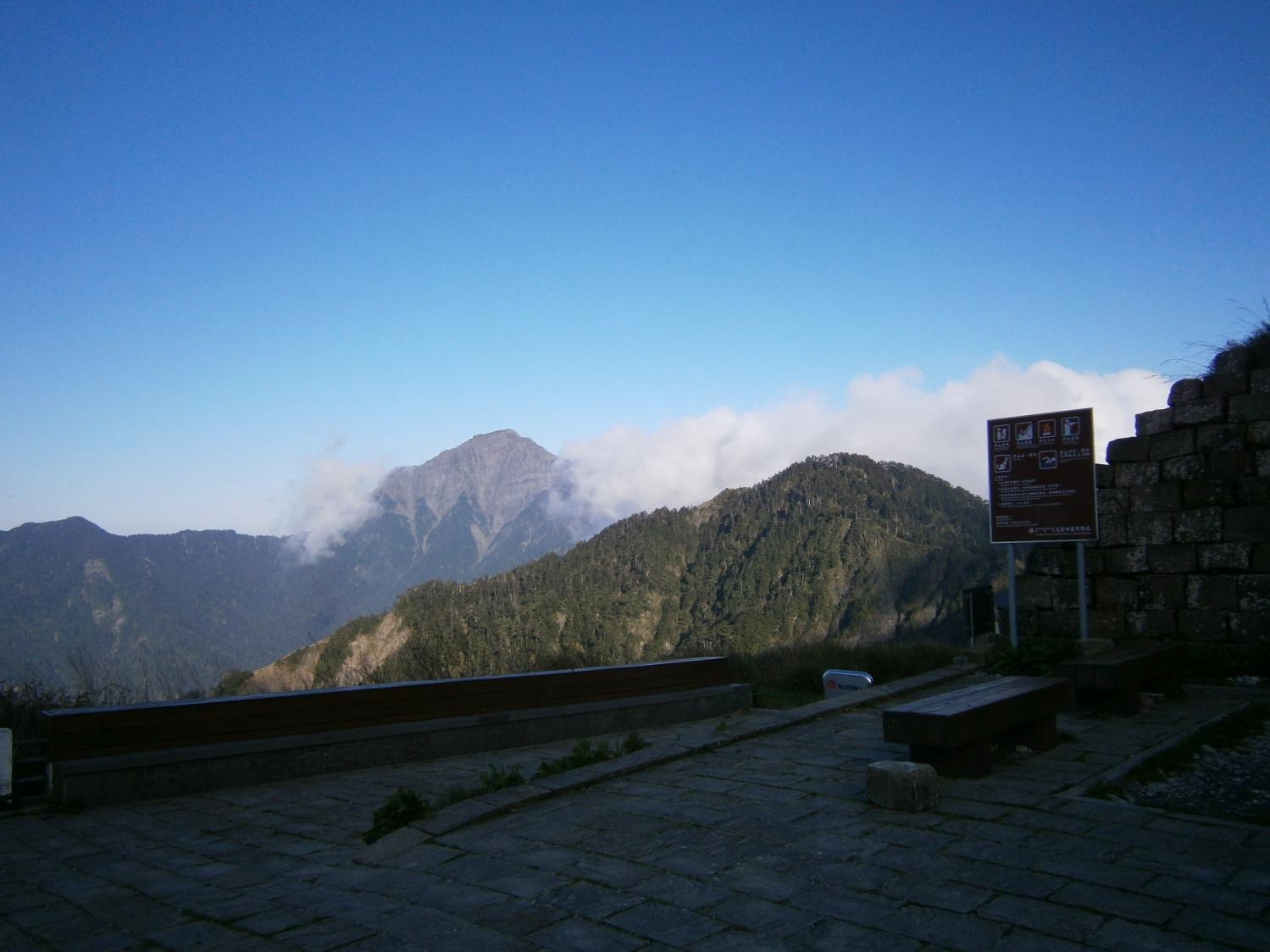
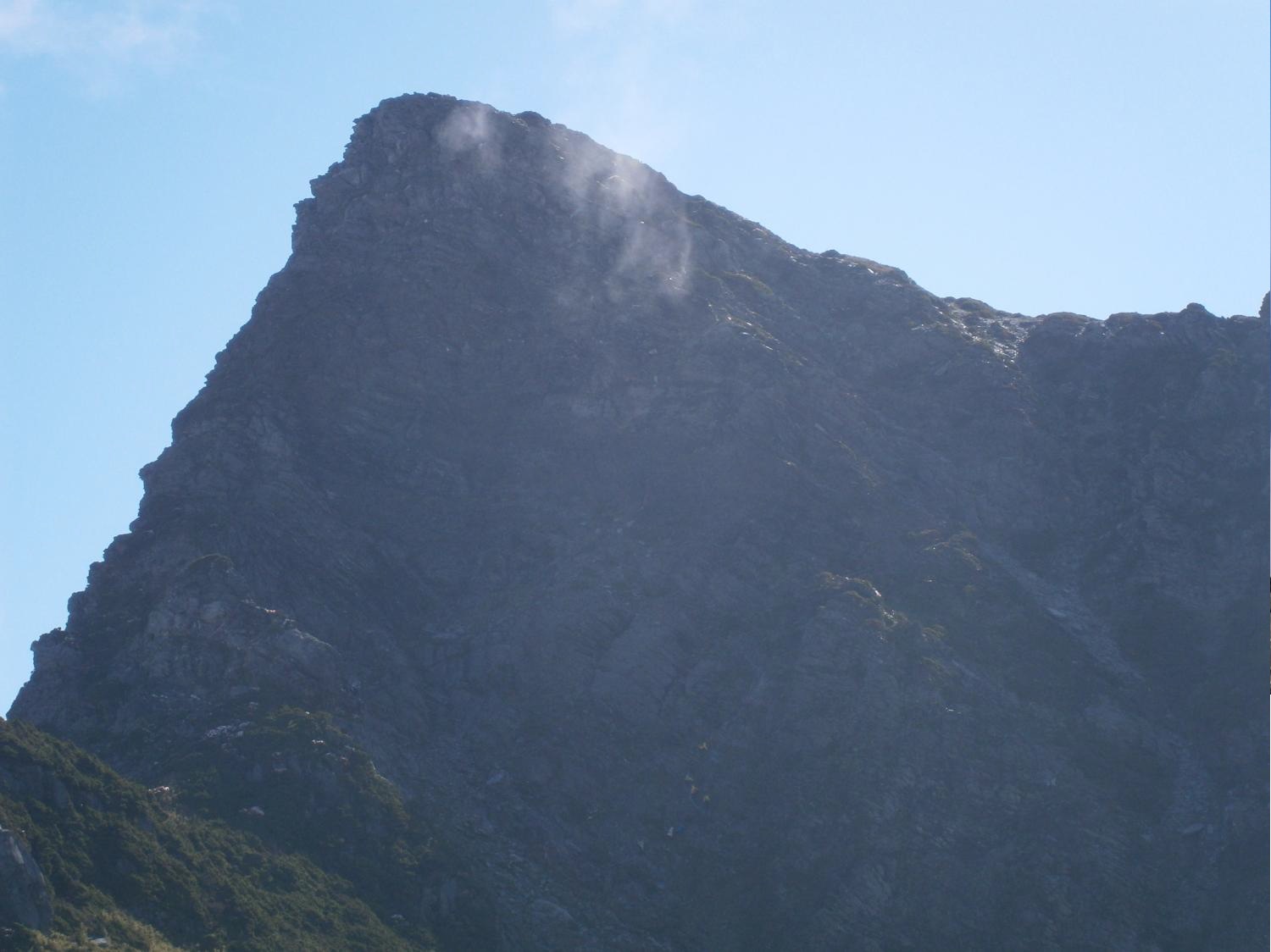
Jade Mountain’s Main Peak.

Jade Mountain (玉山), Taiwan’s highest mountain at 3952m, can also be considered the high point of its own small mountain range.  I’d climbed the remotest, seldom visited pair of  mountains on this range, 3081 meter Xiluanda Shan (西巒大山), and 3263 meter Junda Shan (郡大山) a few weeks before this trip, and had already climbed the Main Peak of Jade the past December, forging through unpleasant weather to get to the top.
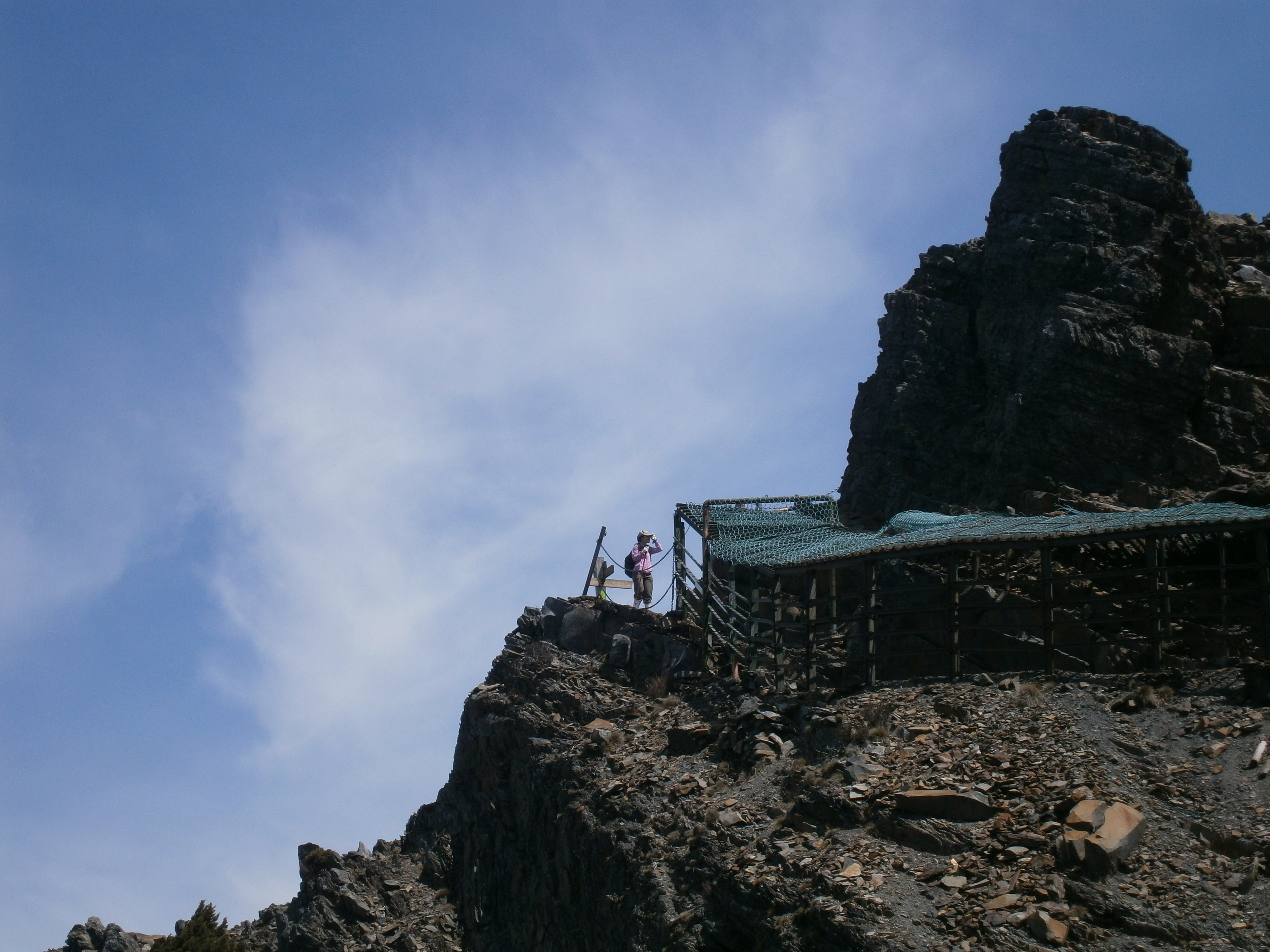
A landslide-prone trail segment on the way to the Main Peak.

April is the beginning of spring in Taiwan, and prime hiking season. A return trip to Jade Mountain seemed to be a good idea, and I slowly put together an interesting itinerary for a three day trip. I made a plan; climb all seven of the 3000+ meter peaks near Jade’s Main Peak (saving the southwest Nanyu Shan and southeast Lu Shan for a later trip, given the additional two days required to reach them) in three days.

After hours of paperwork and correspondence with the Yushan National Park to acquire the necessary permission and park entry permits, the plan solidified. A few friends also decided to join me for the main summit.

Here is an outline of the hiking plan:
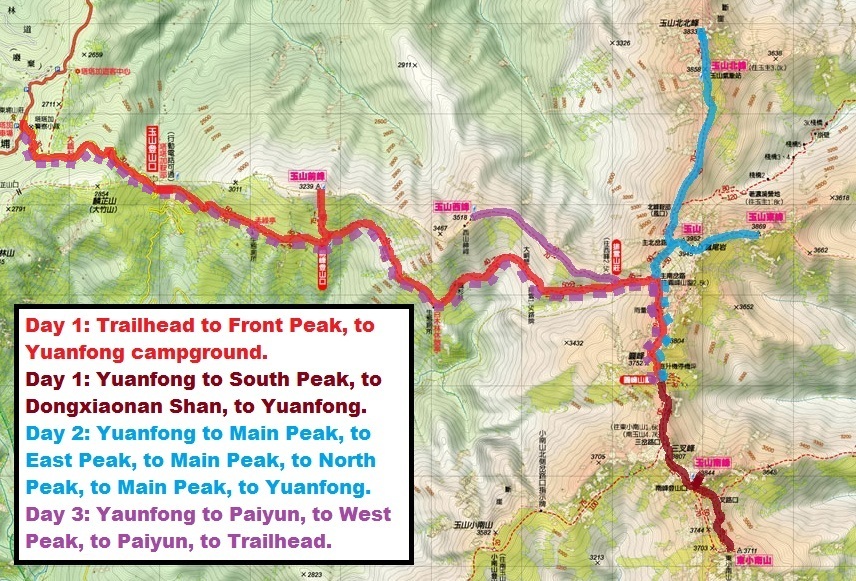
A map of my three day route.

Day 0: Caught a bus from Taipei to Jiayi, and met a friend who conveniently lives nearby. Rented motorcycles, and drove three hours from Jiayi to the Tataja trail-head, went to sleep early in the Dongpu mountain hostel.

Day 1: Started hiking up the restricted-access service road to the start of the trail at 4 a.m., slow with a heavy pack of camping gear and food (We ate very well; a gourmet – but heavier – menu of dumplings, meatballs, soup, noodles, canned fish, cheese, cookies, pizza, and an abundance of chocolate and snacks). A tiring beginning!
Feeling sleepy, walking the police road to the trailhead.

I reached the first trail split at 7 a.m., slightly ahead of the others, dropped my pack and burned up a steep trail of big boulders and scree to the first mountaintop of the trip, the Front Peak (3239m). The view wasn’t much to speak of, but the path up was a really fun scramble over huge rocks. Back on the trail by 8:30 a.m., caught up with everyone by ~10 a.m.

Jade Mountain’s Front Peak, seen from higher up the trail.

On top of the Front Peak.

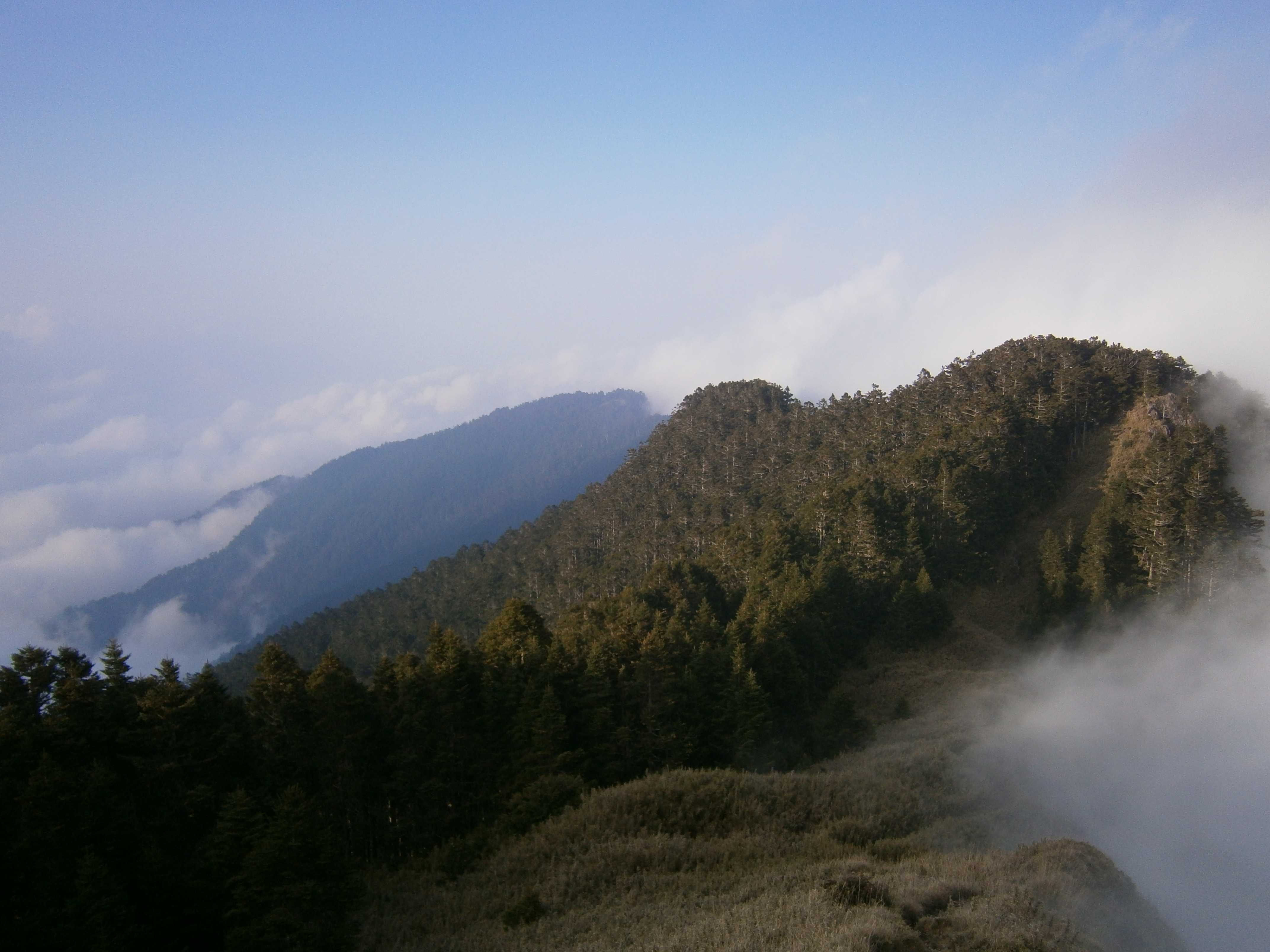
We had wonderful weather, and on the way to our campsite the clouds parted for a moment, revealing Jade Mountain’s distant Main Peak, bathed in sunlight.

The Main Peak in a patch of sun.

Reached the Yuanfong campground (above the treeline at ~3600 meters) at 1 p.m., where I unloaded and pitched camp.  I left Yuanfong alone at 2 p.m., heading south towards the South Peak and Dongxiaonan Shan, the second and third mountains on my schedule. Clouds were rolling in, and the temperature dropped sharply.

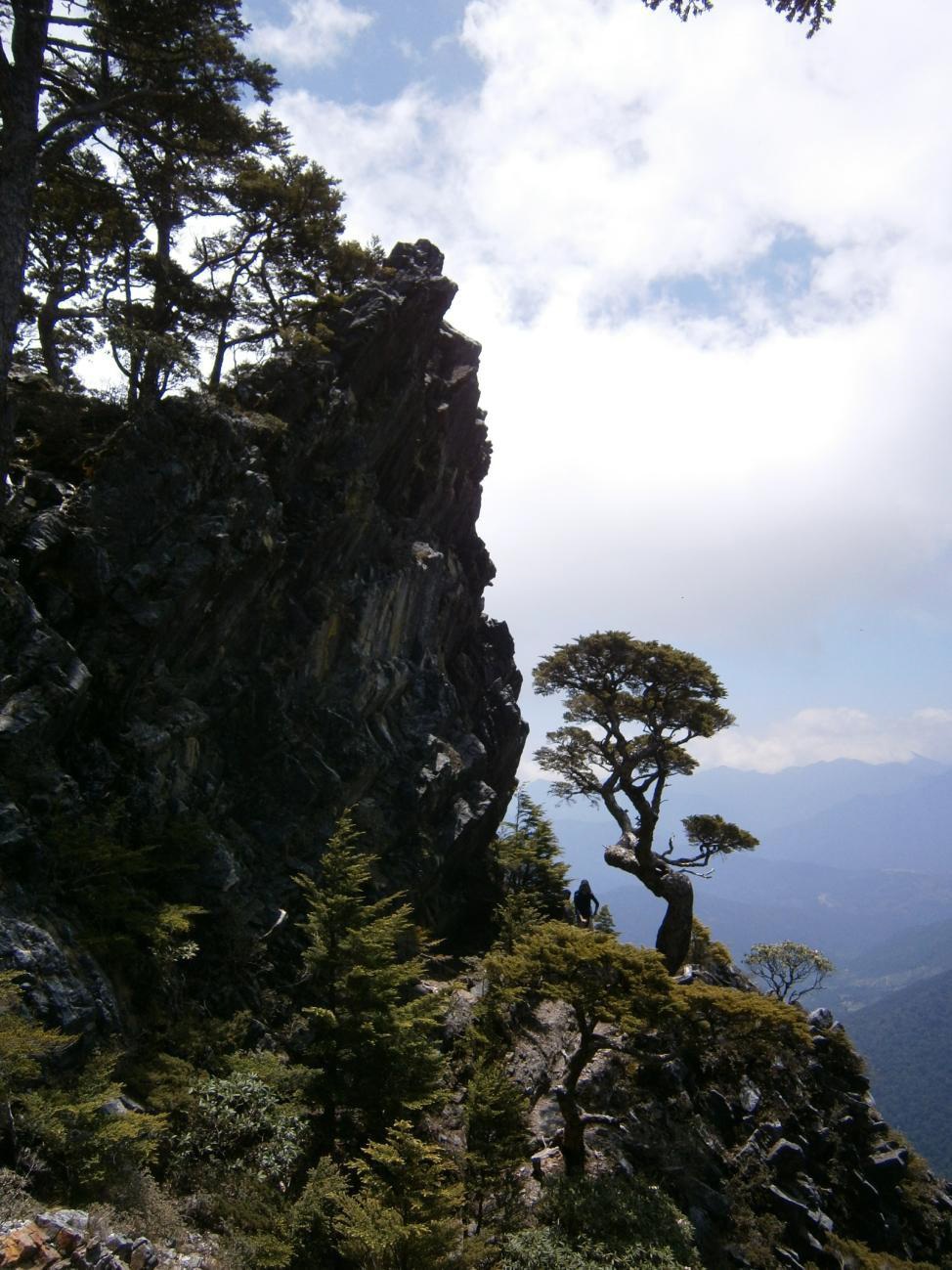
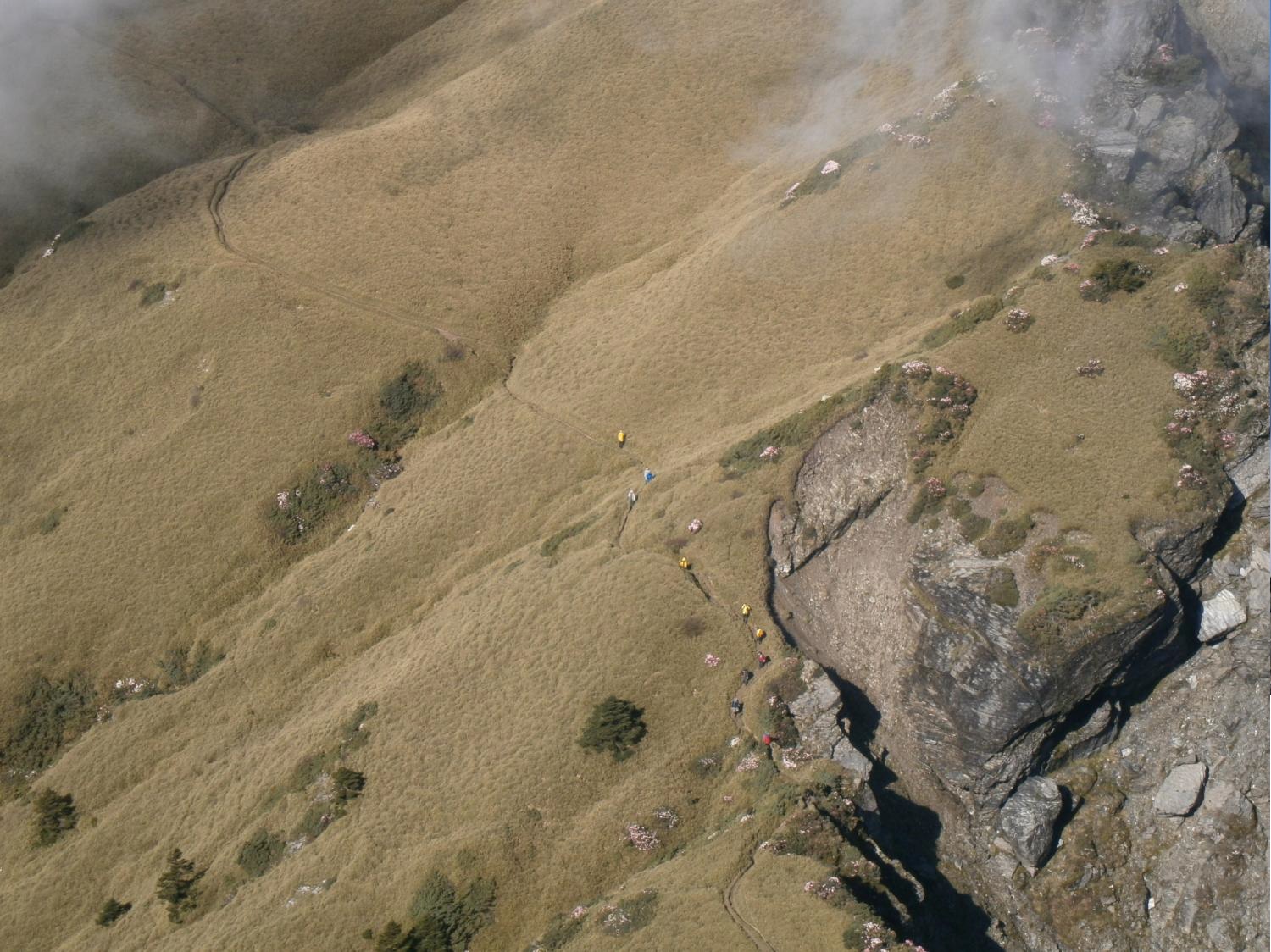
The ‘trail’ along the south ridge of Jade Mountain is wild and unmaintained – almost nonexistent for long stretches – a compass is mandatory for hiking here. The ridge itself is made up of loose scree and boulders. Numerous ‘teeth’ and cliffs break the ridge apart, making it difficult to follow.

The south ridge of Jade is jagged and sharp, featuring many eerie rock ‘teeth’.

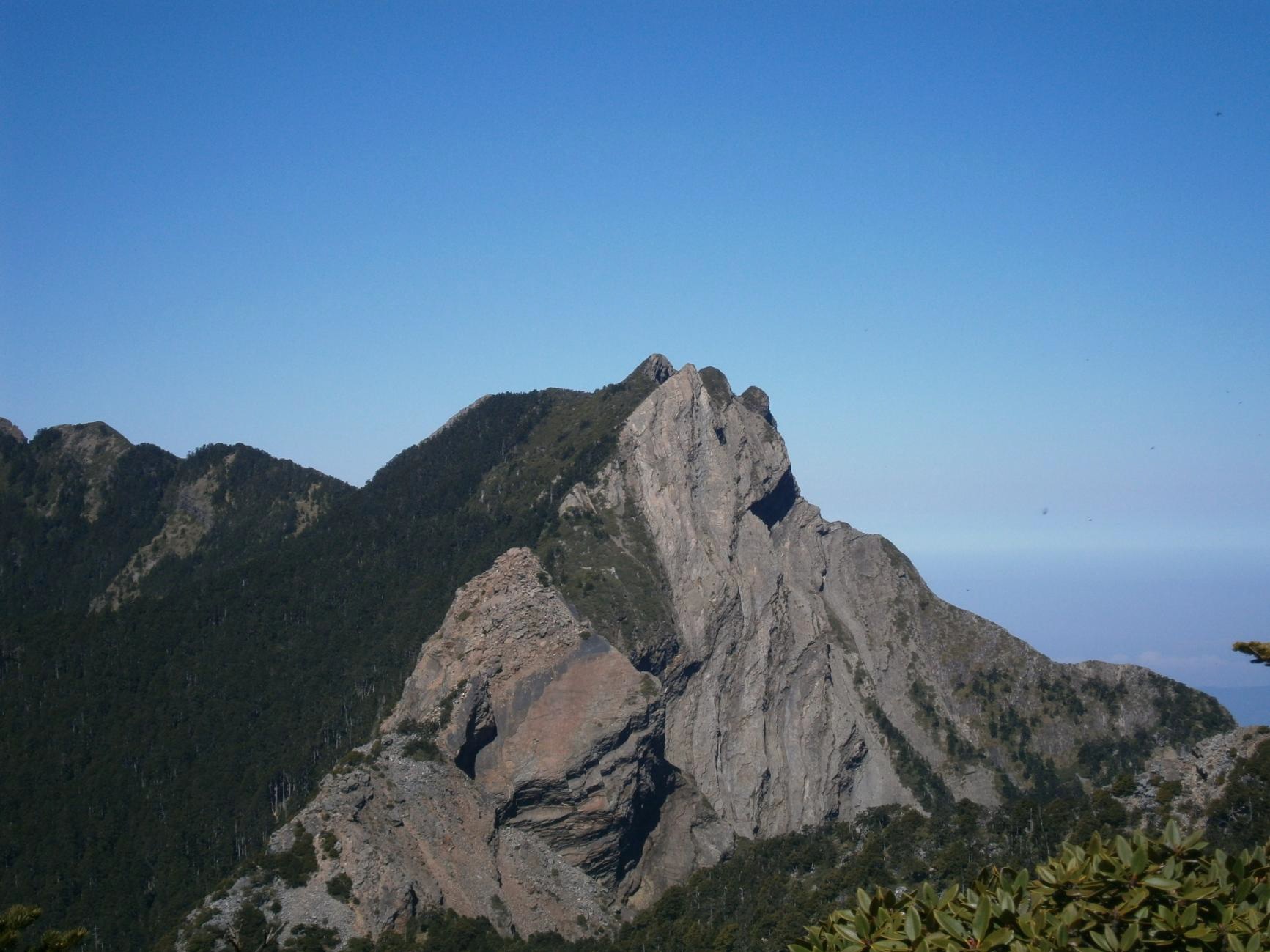
I reached the base of the barrel-like South Peak (3844m) at 2:30 p.m. It was definitely one of the hardest peaks of the trip, with some scrambling to the top.
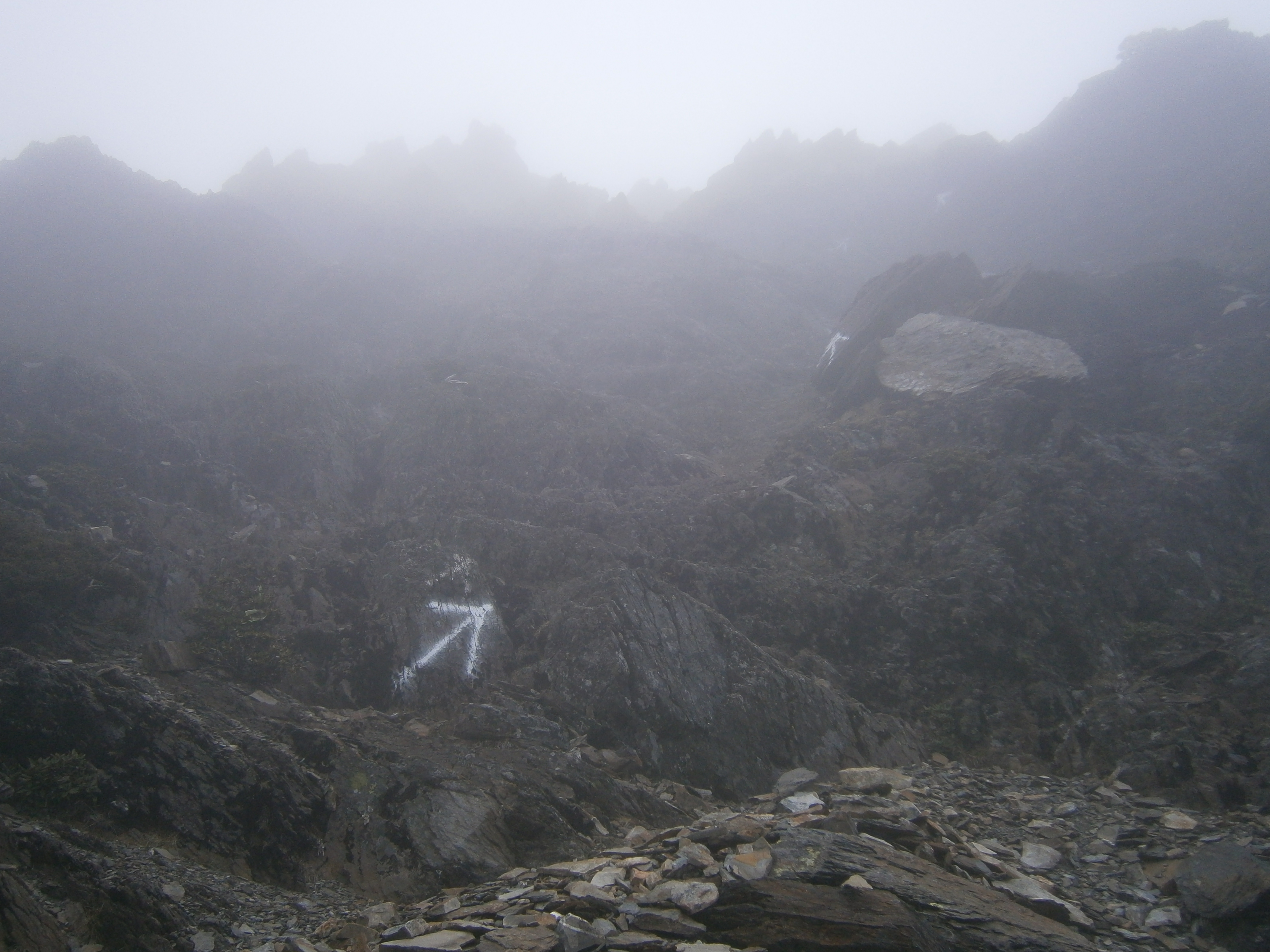
The route up the South Peak. Steeper than it appears pictured here!

On top of the South Peak of Jade Mountain.

Continuing south towards Dongxiaonan Shan, the weather worsened and thick cloud descended.  Visibility was very poor.  I reached the top of Dongxiaonan Shan (東小南山, 3744m) at 4 p.m. The name of this mountain doesn’t translate well; it literally reads “East Small South Mountain”. An easy mountain to climb, it was a bit difficult to find due to the fog and twisting ridge. In stark contrast to the South Summit, Dongxiaonan Shan is a softly-rounded dome.
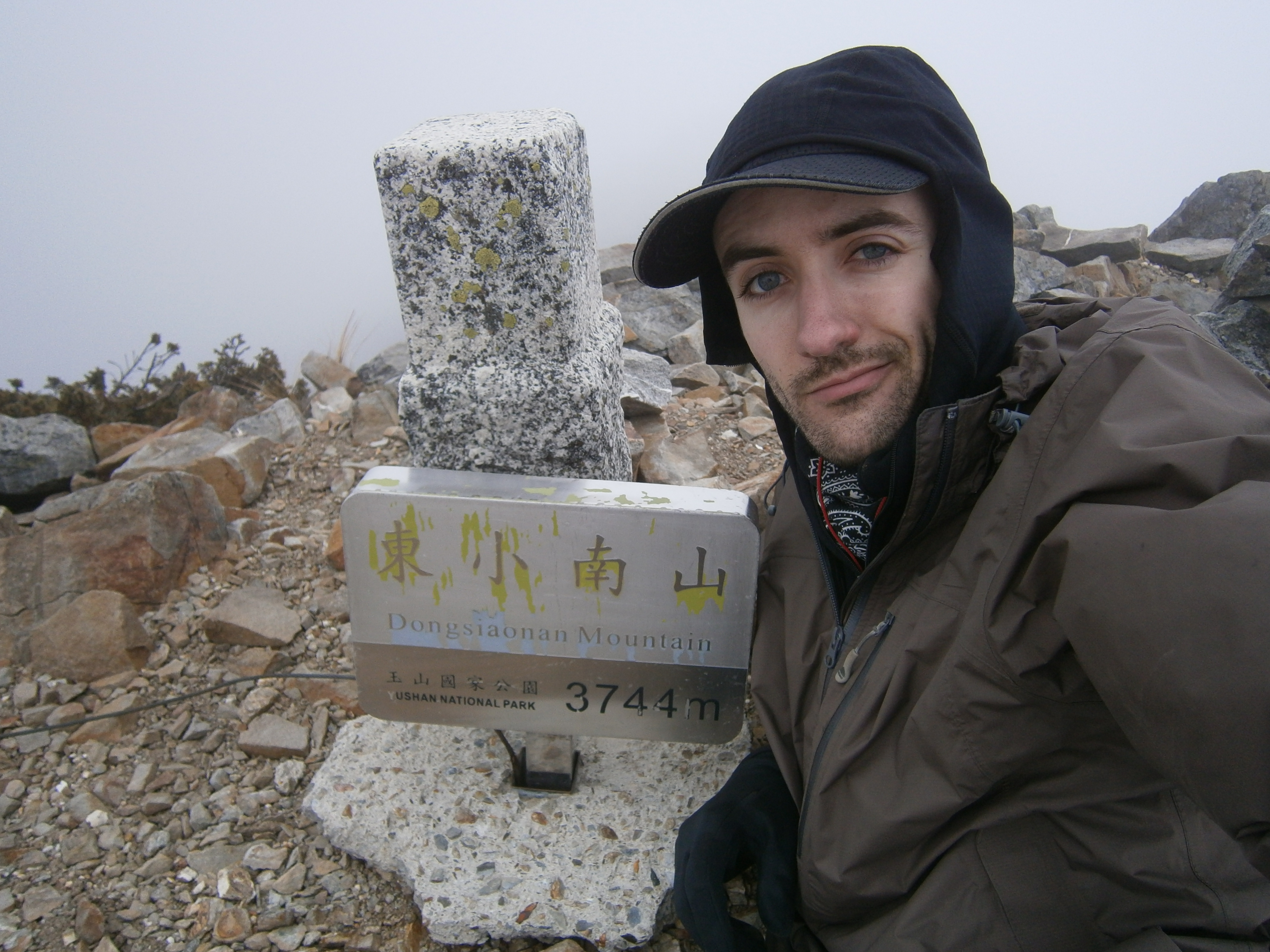
On top of Dongxiaonan Shan.

Returning to Yuanfong the trail was immersed in fog, and I spent ~45 minutes lost, just blindly following the jagged ridge-line north with no trail, using my compass to keep course. I got back to Yuanfong at 6:30, exhausted, and went to sleep after cooking up some hot dinner.

Day 2: Started hiking at 8:30 a.m., headed North towards the Main Peak. It was a clear, beautiful day, and the switchback trail up to the Main Peak, as well as the Peak itself, were both visible in the distance.

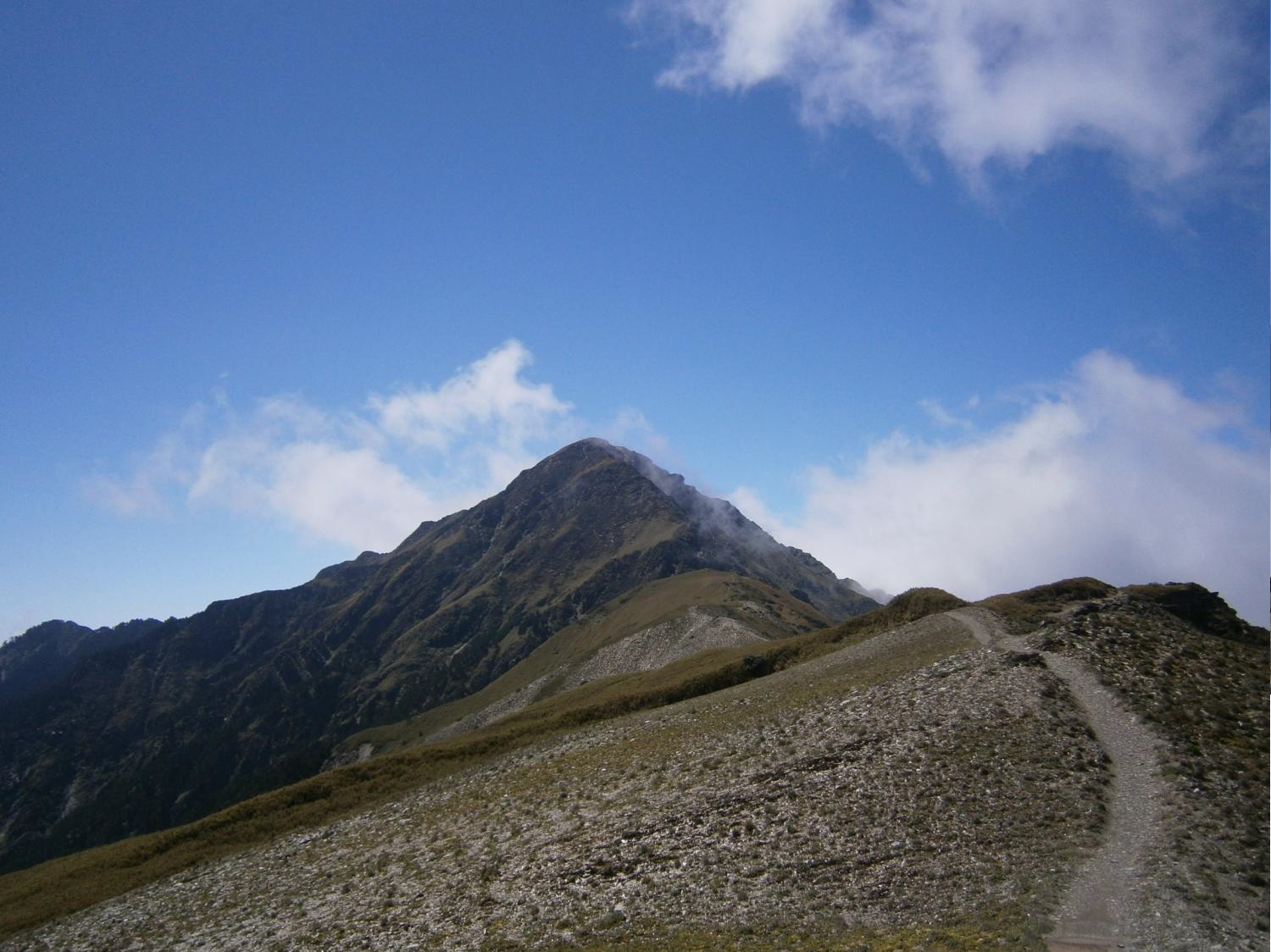
The route from Yuanfong towards the Main Peak.

With very clear air, we had excellent views south towards Yuanfong. The trail to Yuanfong is clearly visible.

We reached Jade Mountain’s 3952m Main Peak at around noon, and spent an hour celebrating, eating snacks, taking pictures, and enjoying the view.

At the top of the Main Peak.

Our group parted ways at 12:45 p.m.  Two of my friends hadn’t slept well, and decided to descend to the trailhead and return home. The remaining two of us had slept like a pair of rocks in my tent, and were feeling well fueled by heaps of dumplings, meatballs, and noodles, so we were sticking to our plan. The next objective on my schedule was the impressive East Peak of Jade Mountain. It was clearly visible from the Main Peak, and looked daunting.  I descended Jade’s east face alone, sliding down steep scree to the eastern saddle. The summit of the East Peak, marked by a cairn of rocks, was clearly visible in the distance.
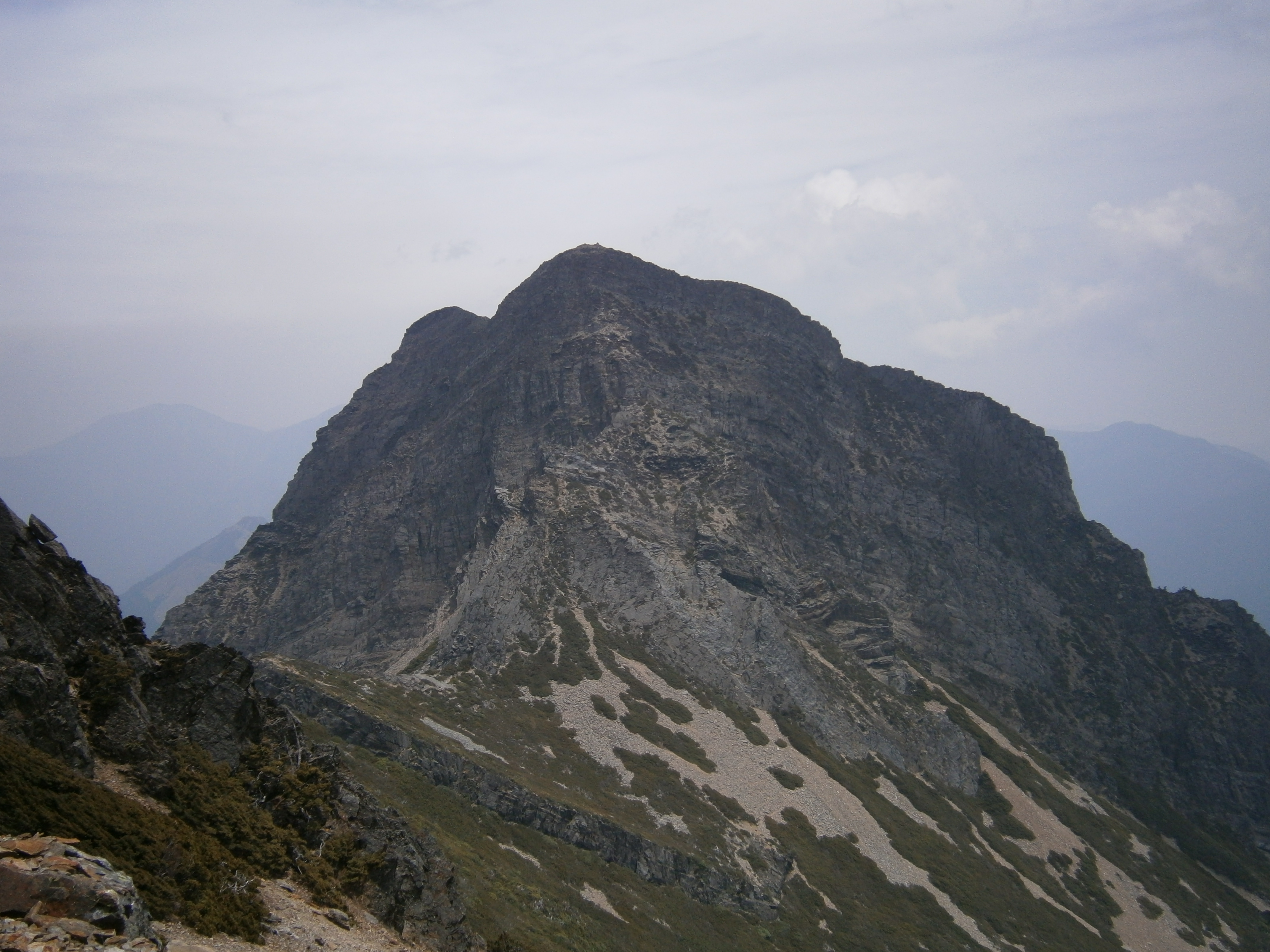
The East Peak, seen from the eastern saddle.

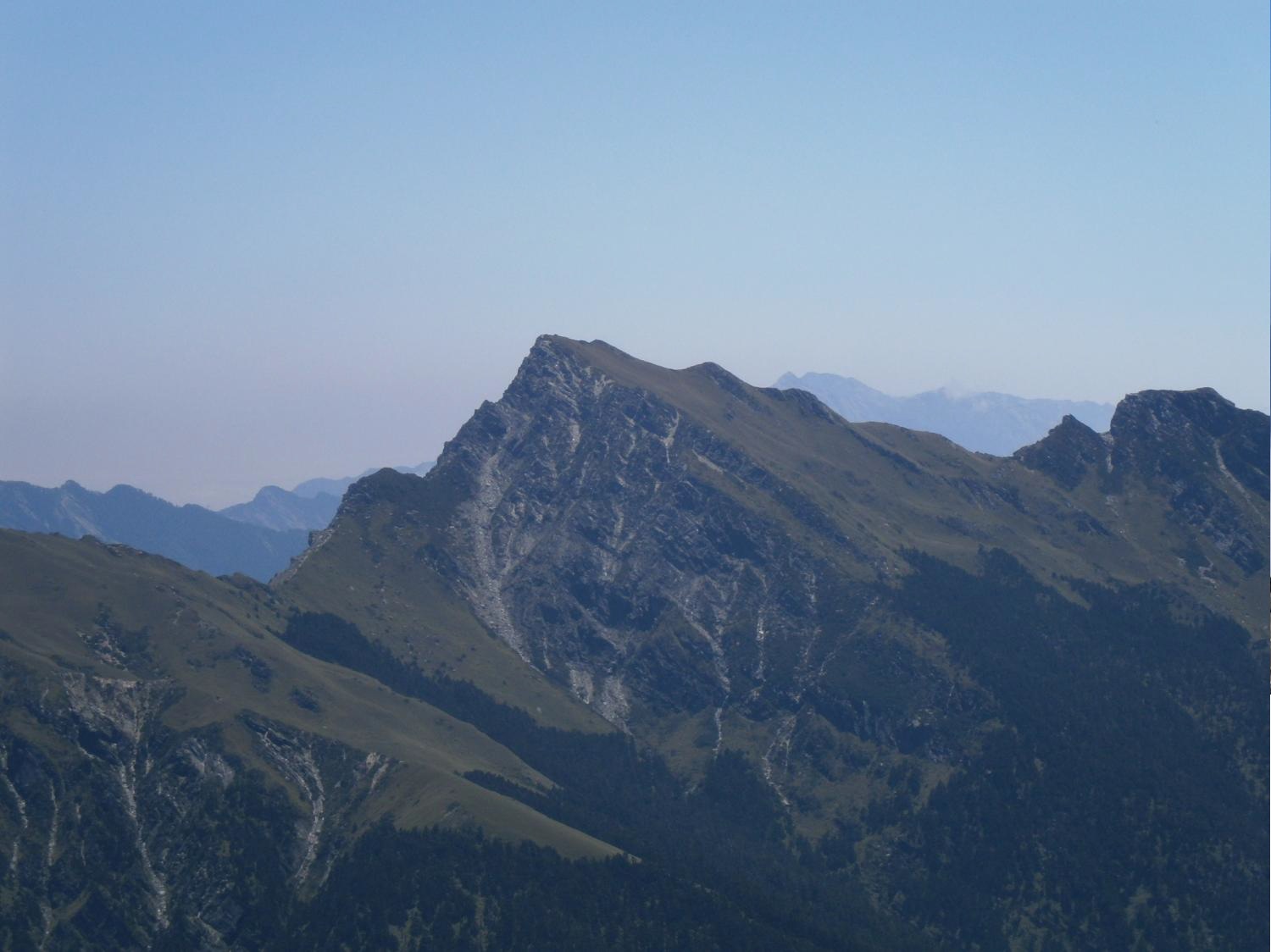
A close up of the East Peak.

On top of the East Peak, the Main Peak in the background.

I reached the top of the East Peak (3869m) at 2 p.m. – a steep, exhilarating, and thoroughly entertaining climb to the top, and worth it for the views.

I returned to the sheltered East Peak trail-head at 3 p.m., where I met my friend. Together, we descended the north ridge, headed towards the North Peak of Jade Mountain. It was cold and windy!
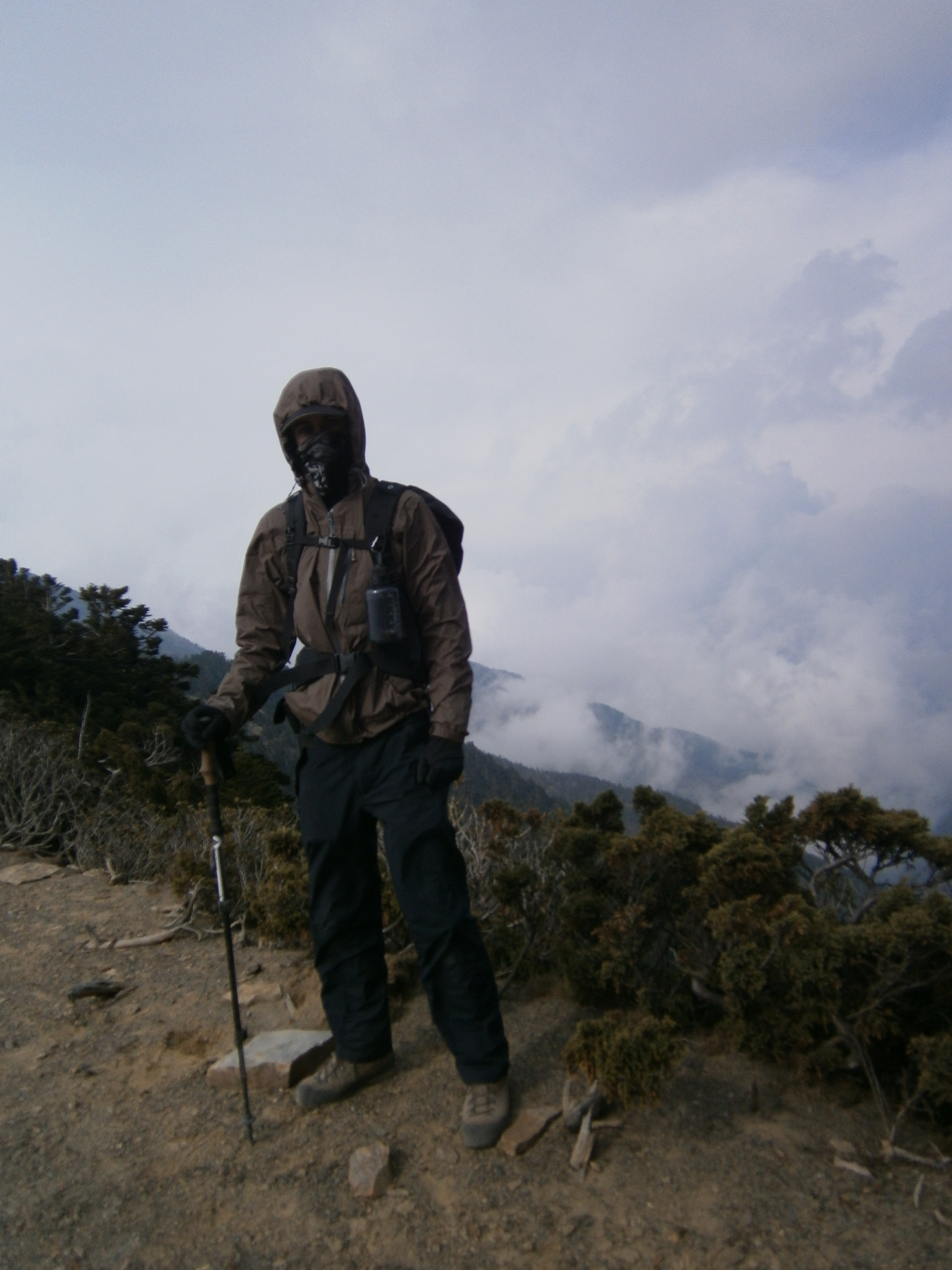
Covered up in the wind.

Taiwanese hikers sometimes do things a little bit differently than Westerners. For one, rainboots are widely regarded as footwear well-suited for hiking. This makes sense, when one considers Taiwan’s consistently inclement weather, mud, leeches, and sharp rocks. Rainboots are cheap, waterproof, and difficult to ruin. A Taiwanese friend whom I’d met climbing on Snow Mountain and Beichatian Shan (he was using his own pair of rainboots to hike in deep snow and sub-zero weather on Snow Mountain in January!) helped us out for this trip, and gave my friend a pair of top-end rainboots for climbing Jade. Not your standard rainboots, these have thickly padded insoles, grippier outsoles, and bold styling: the Chinese says “Legendary White Rainboots”.
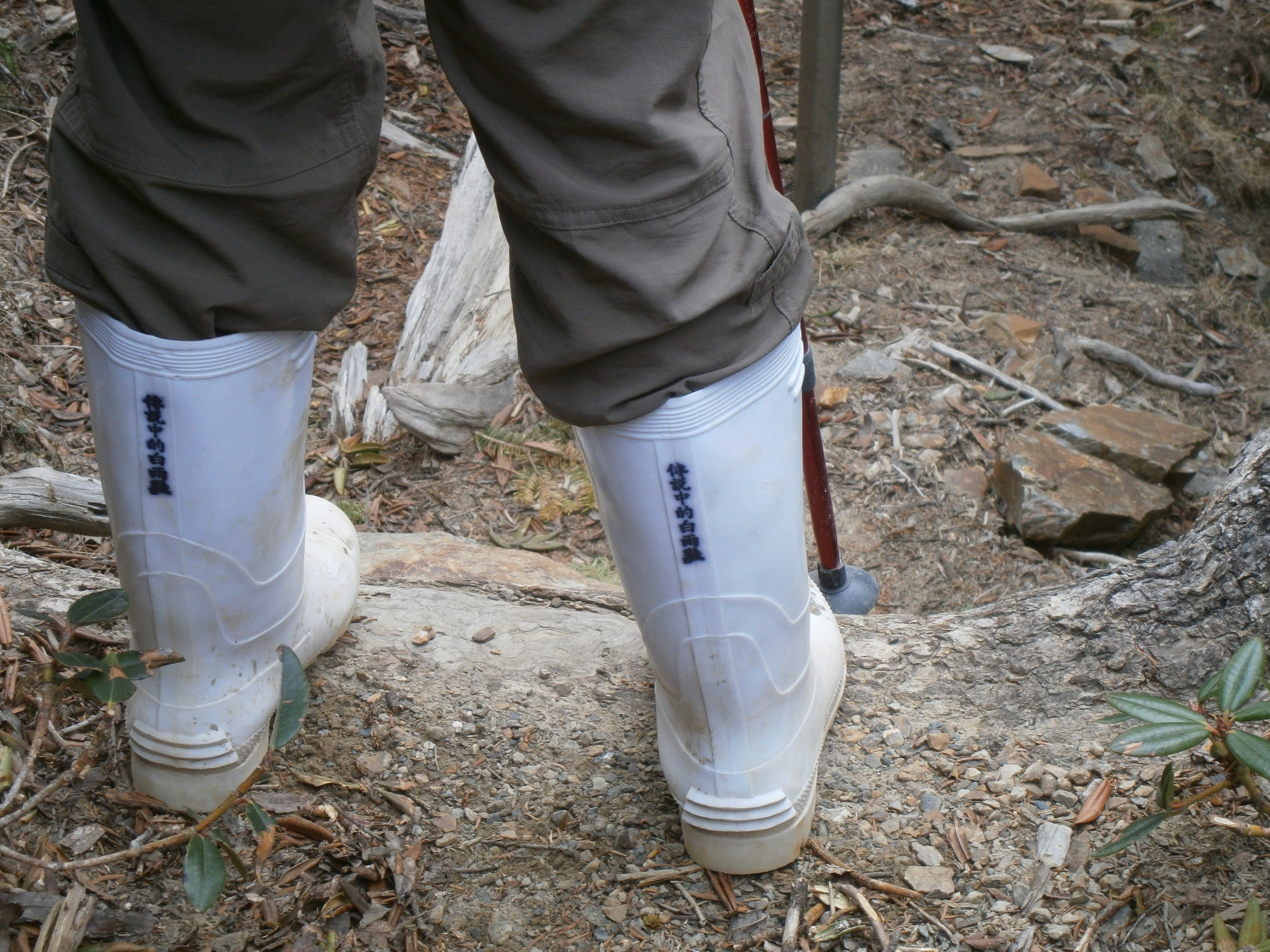
Legendary white rainboots.

In addition to great views of the Main peak, the East Peak was clearly visible from the north ridge trail.

The Main Peak towers above the north ridge.

The East Peak was prominent and clearly visible from the north ridge.

We reached the North Peak (3858m) at around 5 p.m.  We had amazing views of the North ridge, the Main Peak, the East Peak, and a billowing sea of clouds.
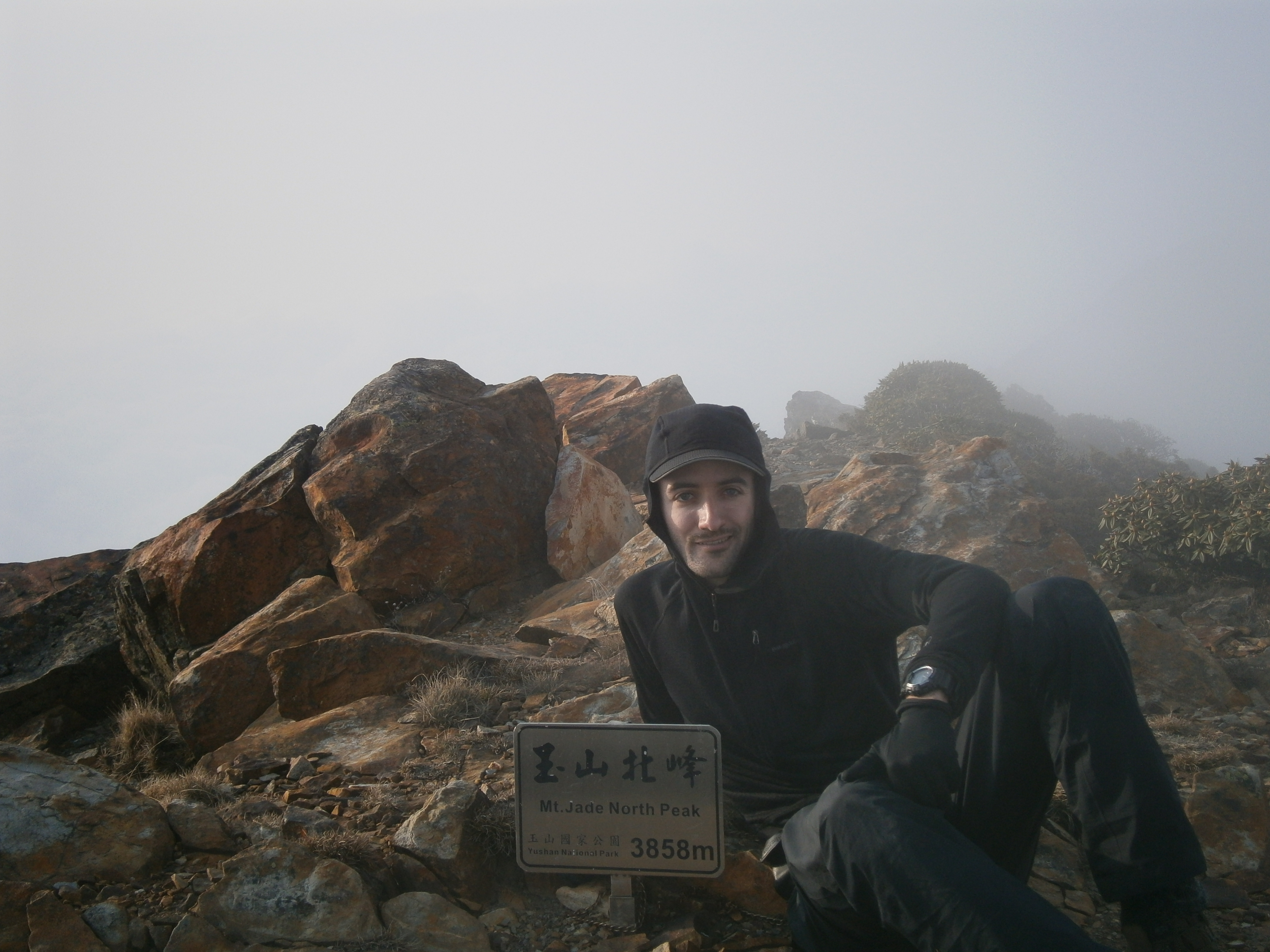
On the North Peak of Jade Mountain.
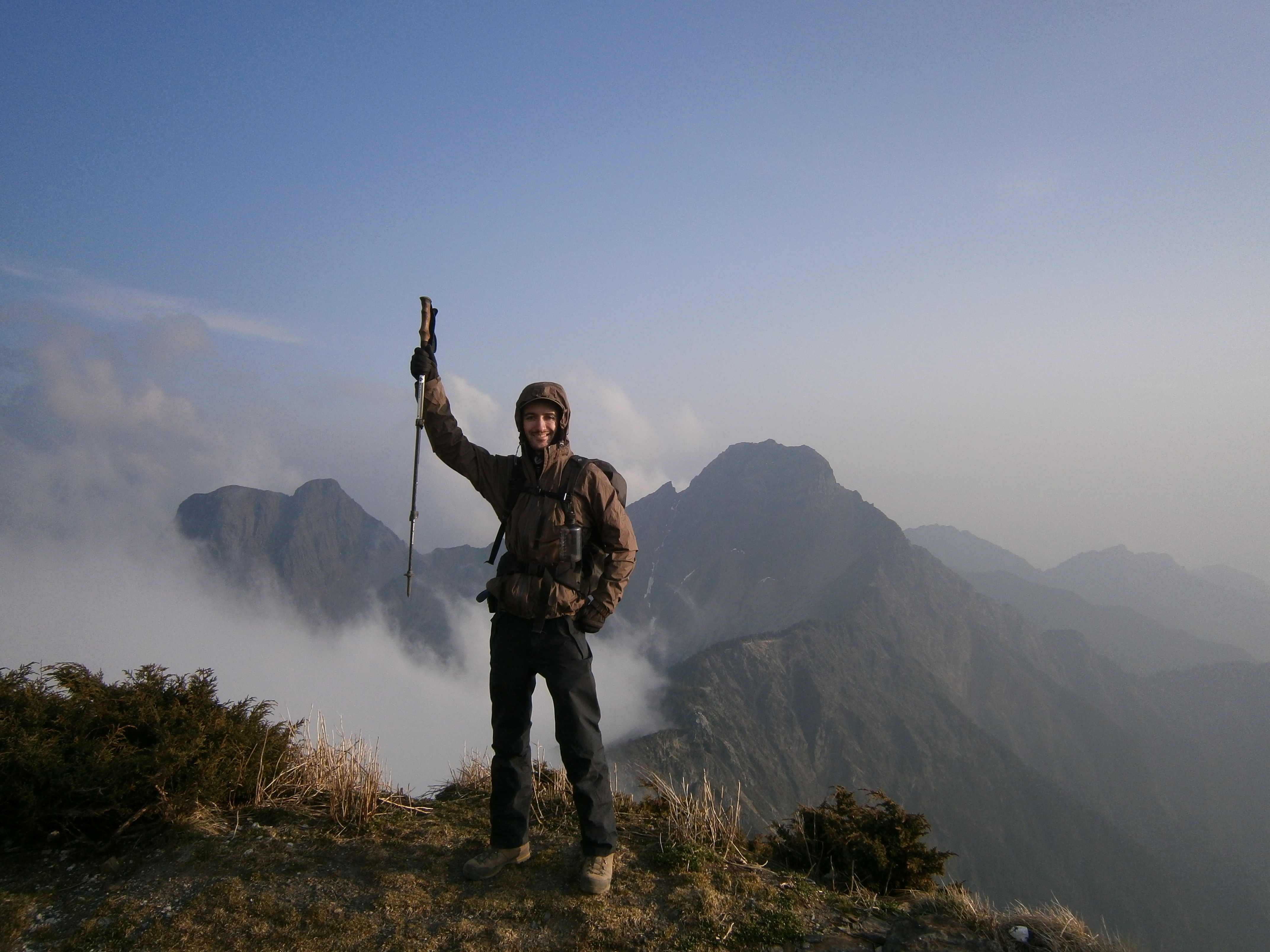
Our view of Jade Mountain’s Main Peak and East Peak.
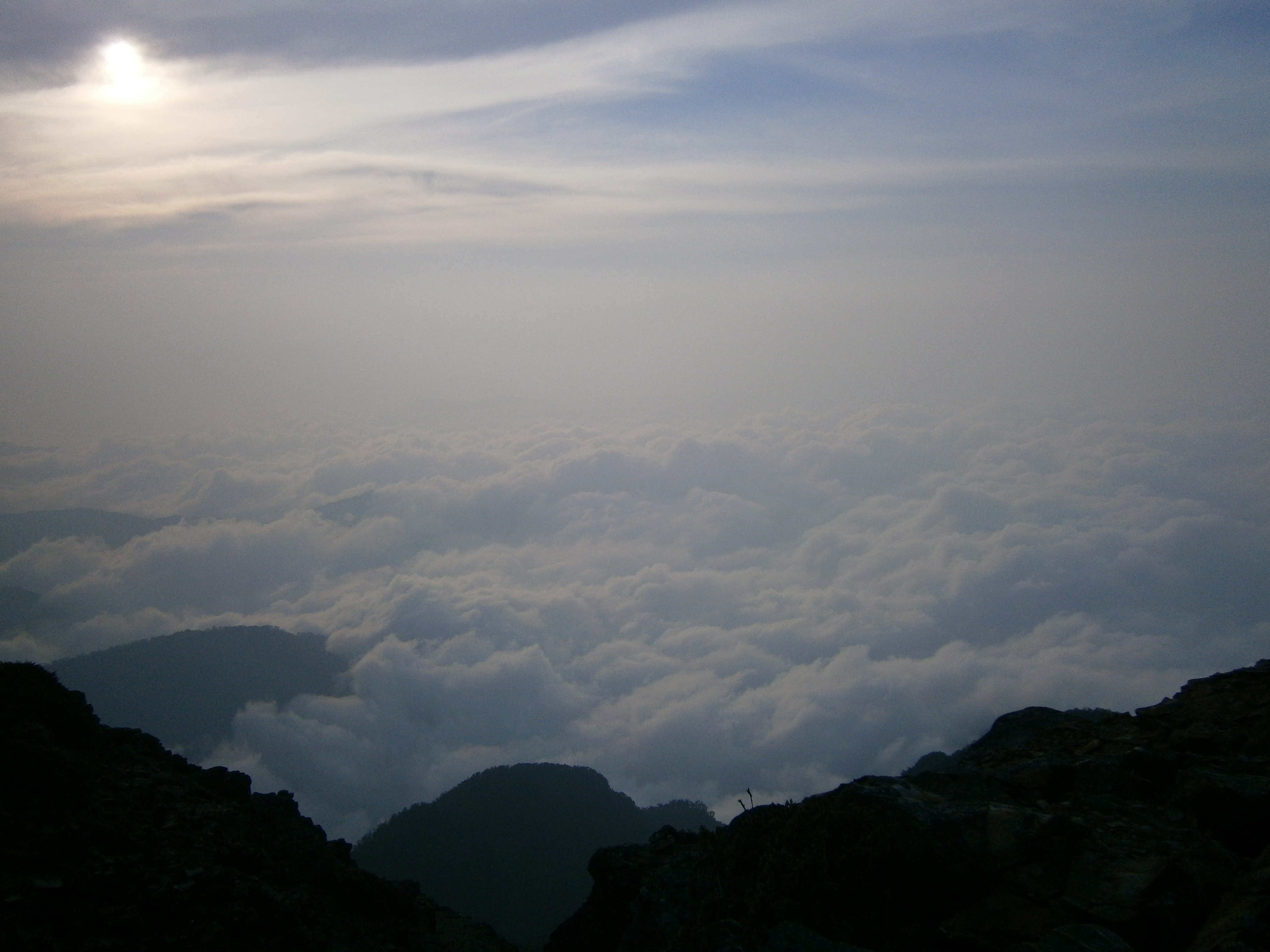
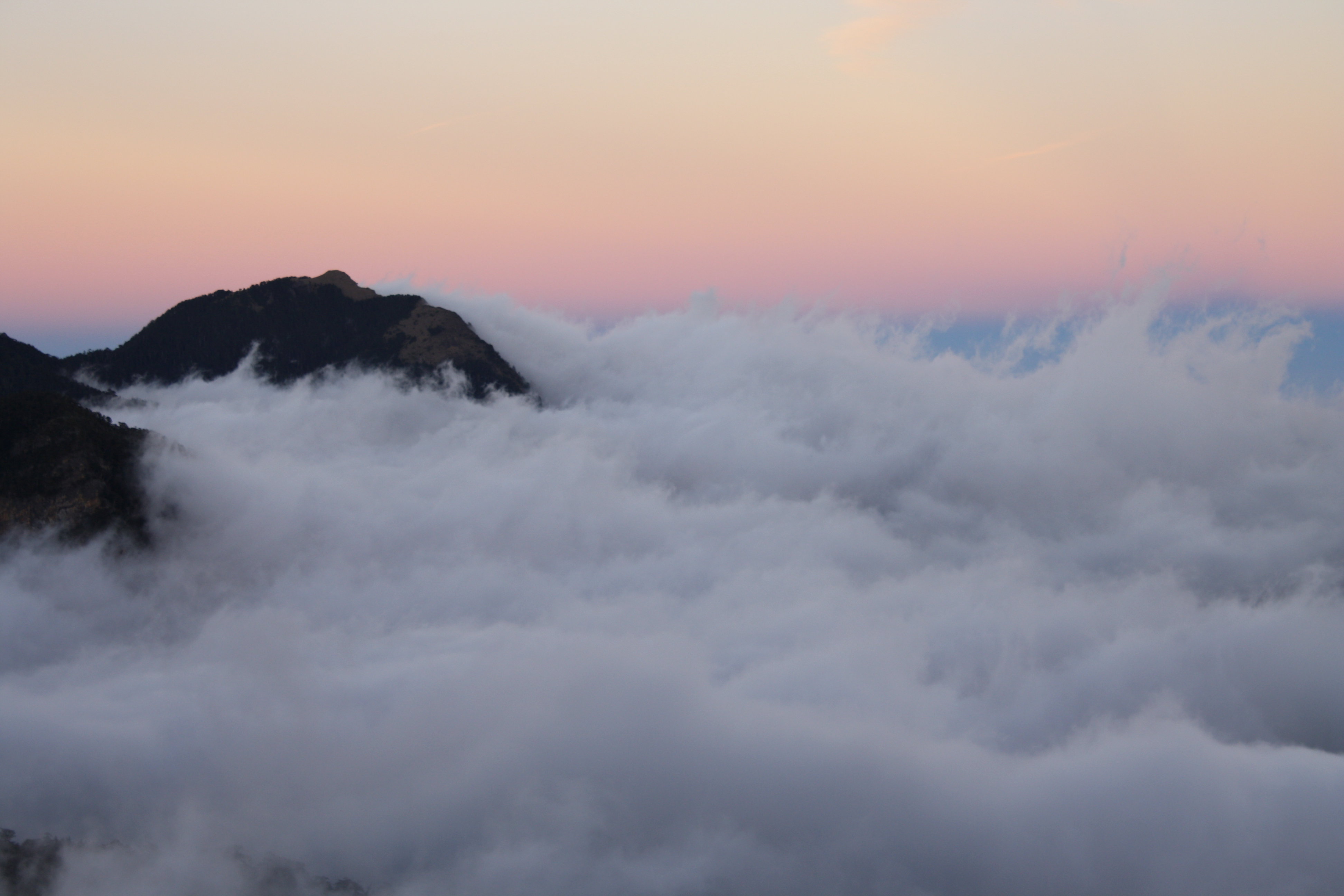
The sea of clouds north of the North Peak stretched into the horizon.

We took our time returning to Yuanfong, enjoying a bright moon and near-cloudless sky full of stars. We got back to camp at 9:30 p.m. – a long 13 hour day for me, and a solid 11 hours for my friend.

Day 3: Packed everything up, and started hiking at 8:30 a.m. We still had perfect weather!
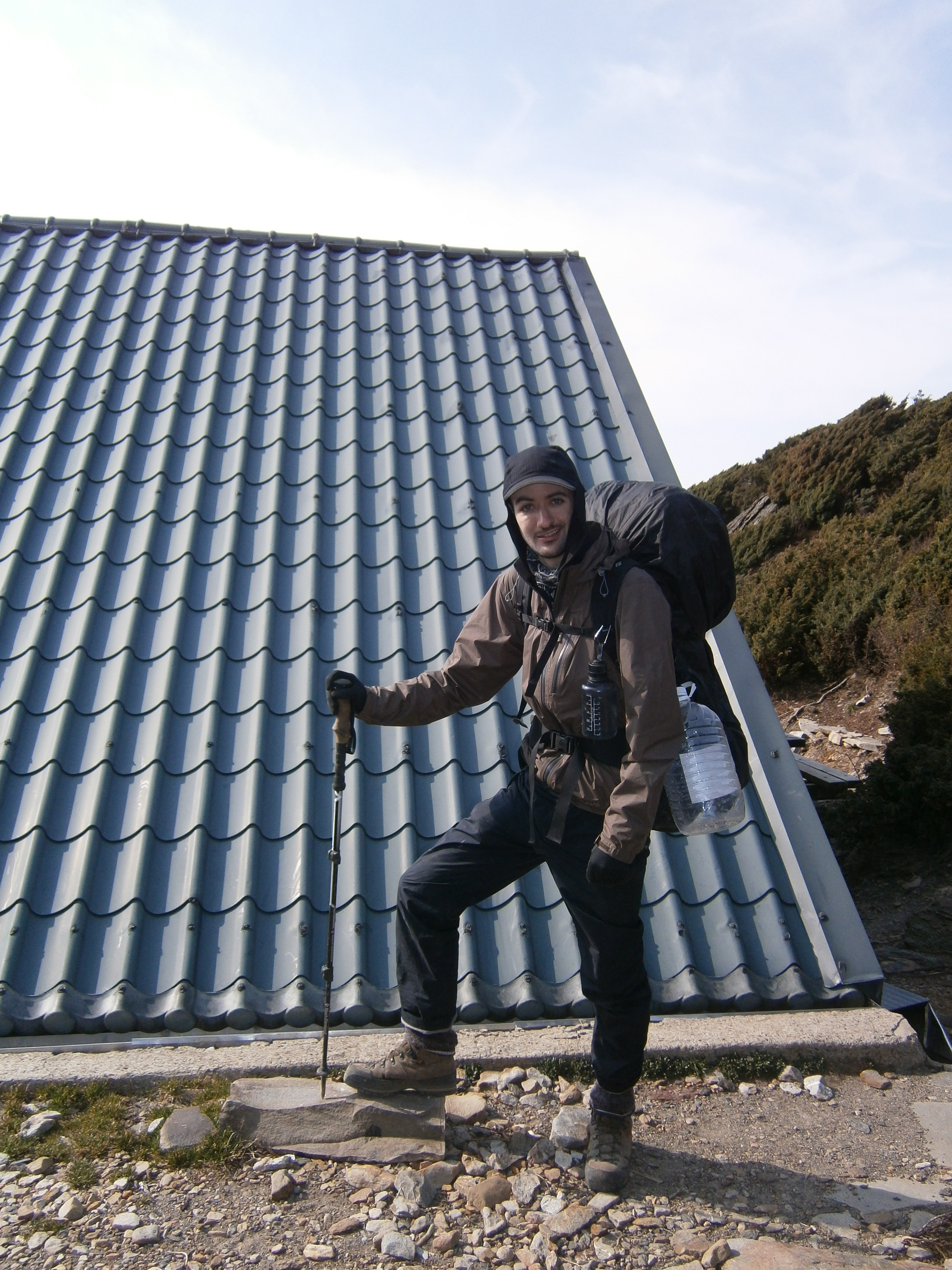
All packed up, we departed Yuanfong. The hut (and water source), seen here, is very basic – our tent was far more comfortable.

Looking down at the Yuanfong campsite.

We reached Paiyun lodge at 10 a.m., and took a break. The lodge is placed for the convenience hikers who only wish to climb the Main Peak of Jade Mountain, and was  under renovation at the time of our trip. When it is completed, the mountain’s Main Peak will be very accessible, and much, much easier. The campsite we used adds another ~2 hours round-trip to any overnight trip involving the Main, North, or East peaks, but is conveniently located with access to the southern ridge.

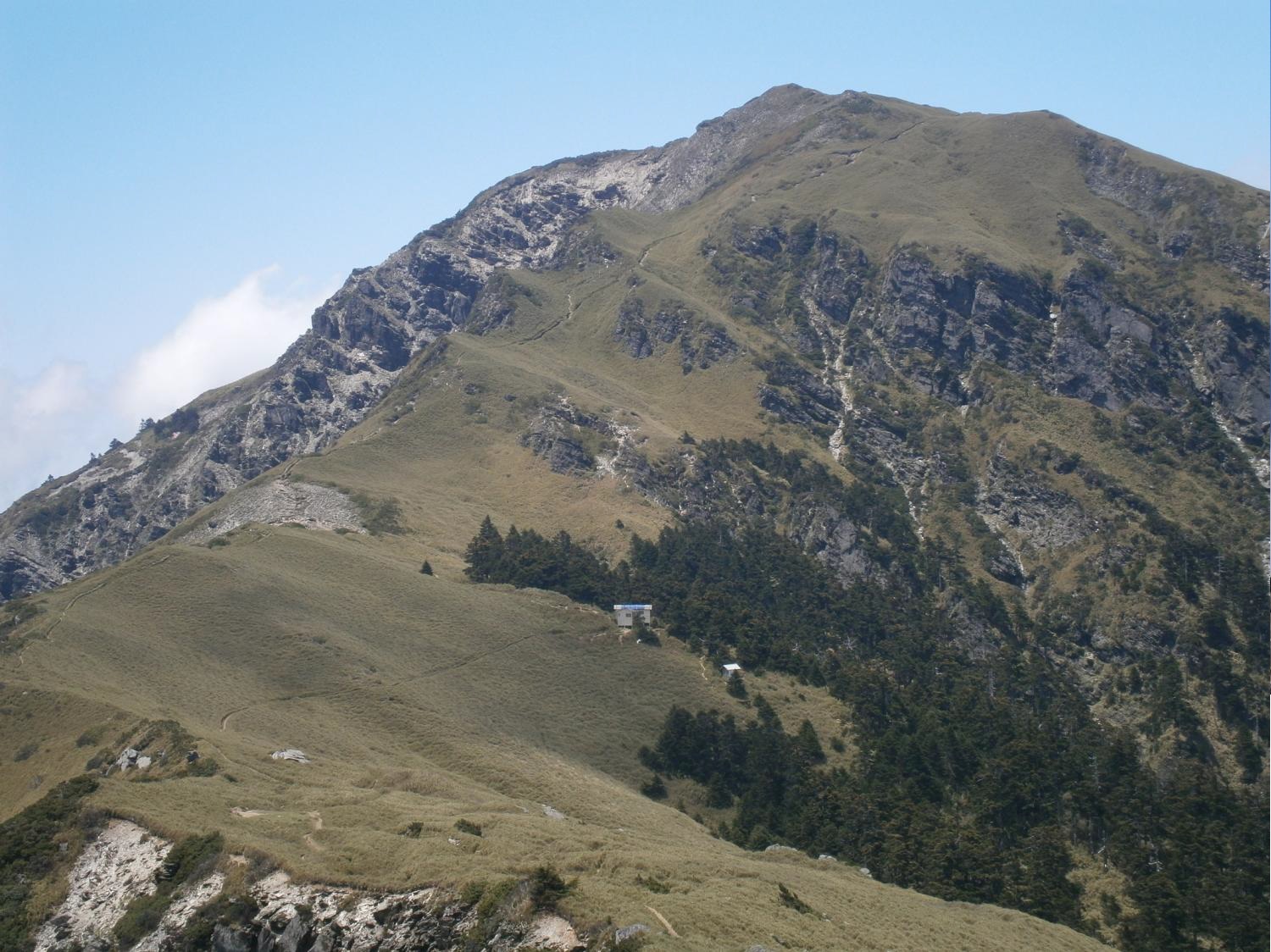
Paiyun lodge, right on the western saddle. The west ridge and the West Peak are to the left.

We reached the West Peak (3518m) at noon, and were back at Paiyun to cook up a hot lunch by 1 p.m.

On the West Peak of Jade Mountain.

Descending, we reached the trailhead and our motorcycle at 5 p.m. A long drive, followed by a longer bus ride, and we were back in Taipei at 3 a.m.  This trip was better than I could have imagined.  My friends had a fantastic time, the weather was perfect, our food was delicious and worth carrying, and all four of us accomplished our respective goals.

Loaded up with camping gear on the way out.

Accessibility

We chose to use the Yuanfong campground, and brought a tent.  Yuanfong campground is above the treeline, and thus is very cold and windy year-round, but has plenty of space for pitching.  If one desires, “bedspace” (I use that term very loosely – you sleep on the floor) at the Yuanfong hut can be booked.  At the time of writing, the Paiyun cabin – the use of which would make climbing the Main Peak easier – is still closed for construction.  It will probably open soon.  Using Yuanfong to overnight is a viable alternative to Paiyun, although it does add a good ~2 hours of hiking on the first day.  Yuanfong has a reliable water source; the rainwater reservoirs were half full when we visited, despite the dry weather which the area had been experiencing.  It is also possible to make a single-day ascent/descent of the Main Peak (and, with determination, probably one of the East, or North, or West peaks as well), provided you can illustrate experience and physical fitness  – email the permit application staff through the Yushan National Park website (linked below) to obtain the paperwork for this.

The Dongpu hostel (東埔山莊), located at the base of the mountain near the restricted-access service road, is very comfortable, and even provides warm bedding.  Bedspace can be booked, their phone number is 0492702213.

Getting to the trailhead isn’t difficult.  We took a bus to Jiayi, rented motorbikes, and drove ~3 hours to the trailhead.  This is by far the least expensive means of getting there!

Hiking Jade Mountain requires a national park entry permit, as well as police issued mountain entry permits.  Jade Mountain is a popular hike, and it is difficult to obtain a weekend permit; with Paiyun under construction, the number of hikers allowed access per day is limited.  Plan on going during the week.  The Yushan National Park permit website (in English) is located here:
http://mountain.ysnp.gov.tw/english/CP_how.aspx?pg=03&w=2&n=23001
Police permits (In Chinese) can be applied for here.  For the website to load, you need to use Internet Explorer and adjust the encoding for ‘Chinese Traditional, Big5′ (found through Page -> Encoding):
http://eli.npa.gov.tw/E7WebO/index02.jsp
Wuling Sixiu Mountains – 武陵四秀 – May 2012

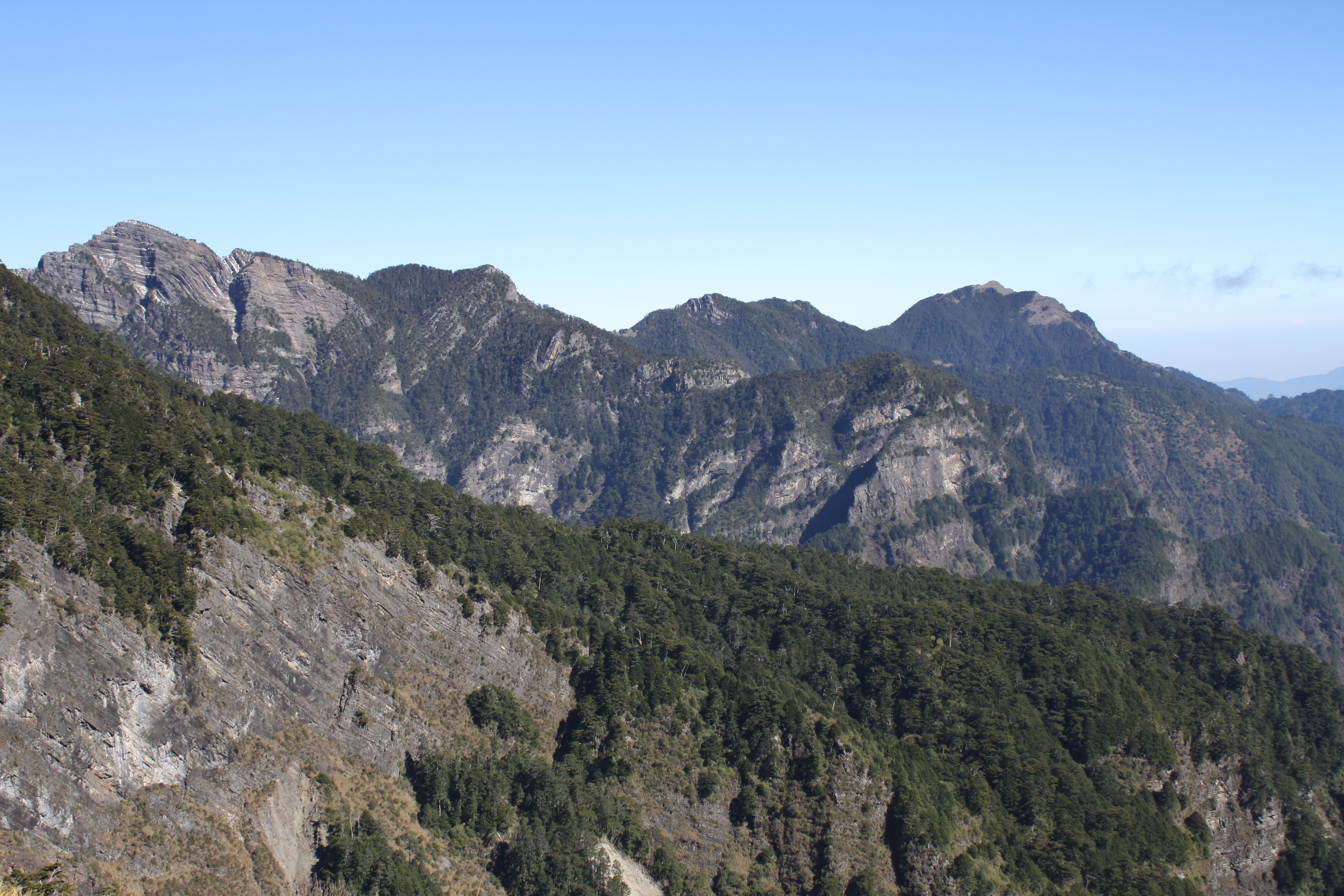
The Sixiu ridge. Visible from left to right are Pintian Shan (3524m), Chiyou Shan (3303m), and Tao Shan (3325m). Kelaye Shan (3133m) is located north-east of Tao Shan, and thus is not visible.  Photo from my 2010 Snow Mountain trip.

Taiwan’s Snow Mountain range is one of Taiwan’s most beautiful, and in good weather has some absolutely stunning landscapes.  The Wuling Sixiu (“four shows”) are a set of four 3000+ meter mountains – Pintian Shan (3524m), Chiyou Shan (3303m), Tao Shan (3325m), and Kelaye Shan (3133m) – located on a ridge east of Snow Mountain, so named due to their prominence and visibility from the Wuling Farm recreational area.  We set off to climb all four of them over three days, with two nights spent camping on the ridge.

Pintian Shan.

A view of Pintian Shan from the eastern Snow Mountain trail. Photo taken on my 2012 Snow Mountain North hike.

The route involves some awesome terrain: hemlock forests, sheer cliffs, and alpine meadows.  We had great weather for all three days, and enjoyed scenic views of surrounding mountains throughout the trip.

Here is an idea of the trip itinerary:

Our three day hiking route

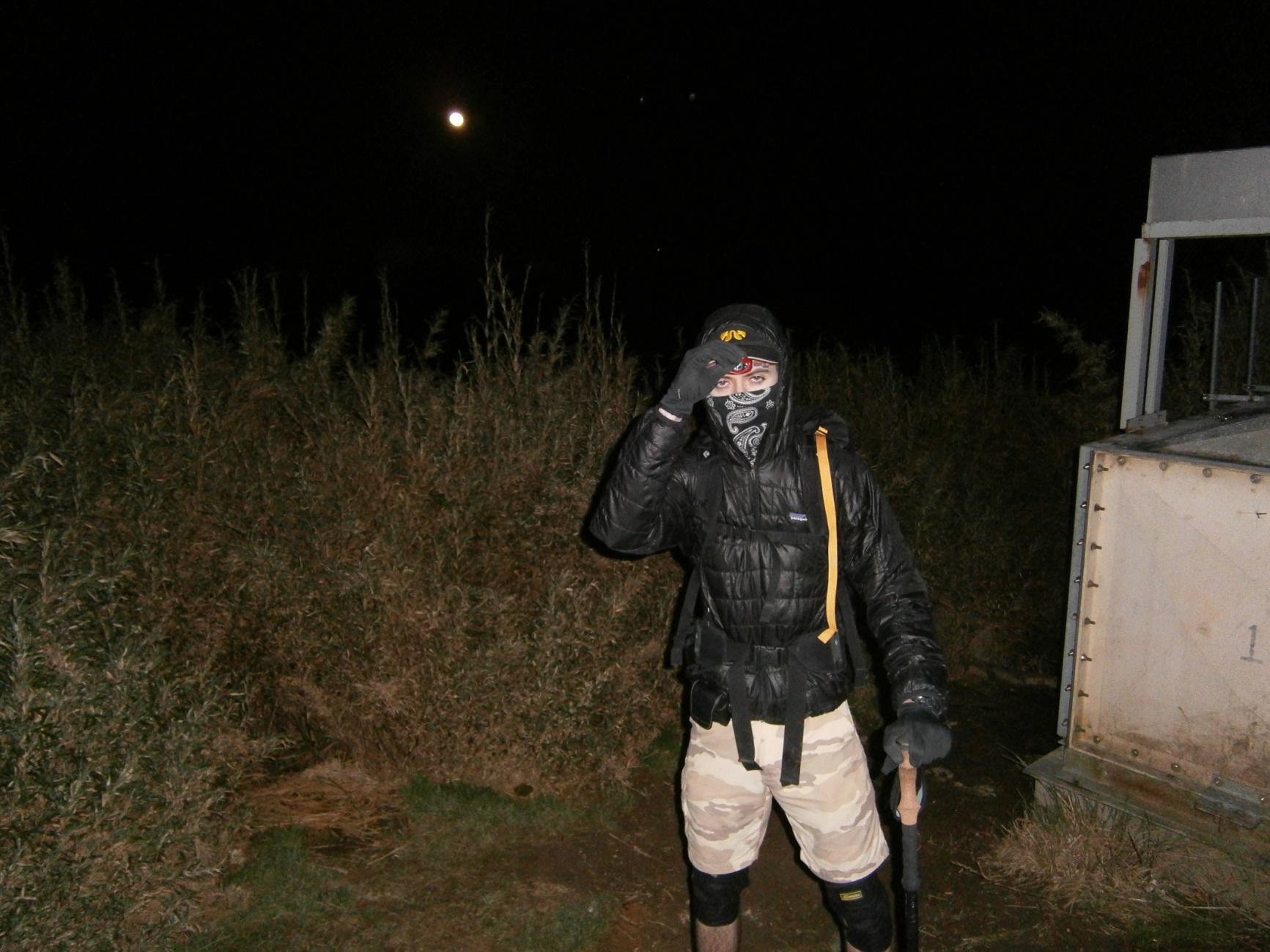
Day 1: Our bus departed Taipei at 7:30 a.m., arrived at Wuling farm around 11:30. We hitched a ride to the trailhead, and began to climb the 3.5km Chiyou trail to our campsite. We arrived around 4 p.m., pitched tent, and headed towards Xinda cabin to get water. The water run was a much longer mission than expected, and took us a solid ~4 hours round trip, longer due to rough terrain in darkness, and a few short stretches of being lost. We were lucky; the moon was startlingly full, the sky was clear, and the stars were brilliant.

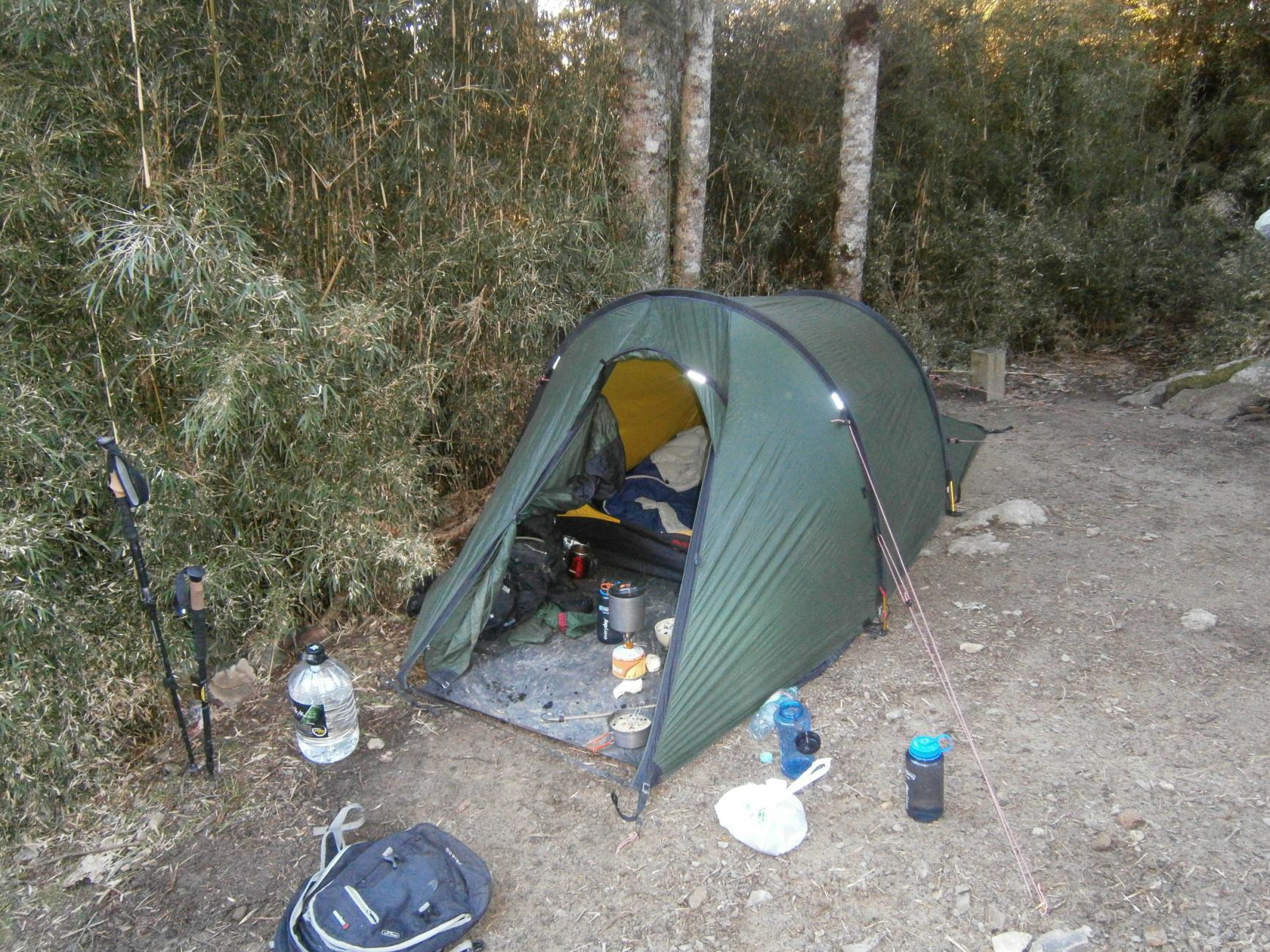
Our campsite. Very comfortable, but no water source.

Finally at Xinda cabin, where we picked up a good 10L of water. Feeling tired, but we still had to carry it all back to camp!

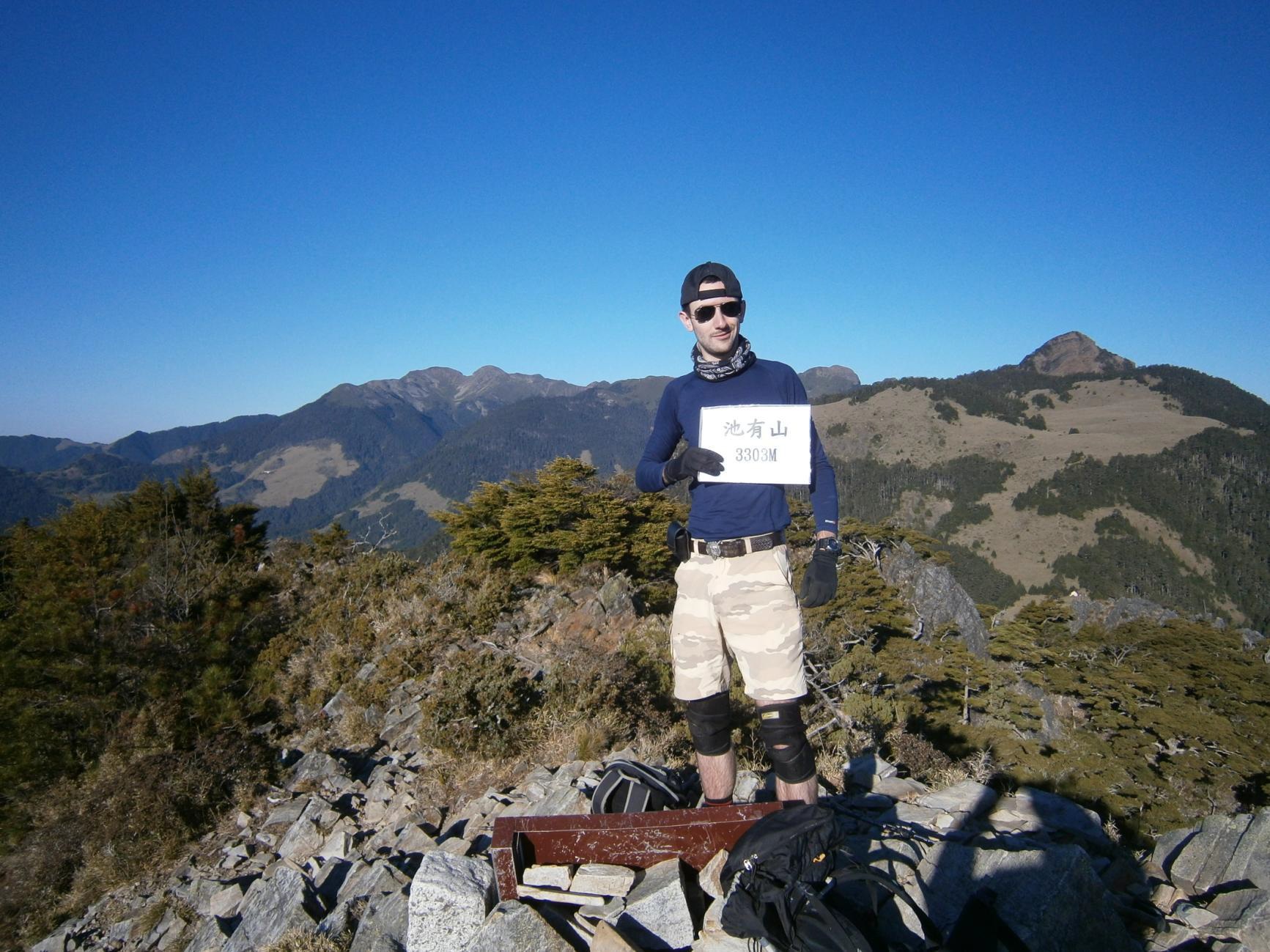
Day 2: Up at 5 a.m., on the 3.1km trail to Pintian Shan by 6. We reached 3303m Chiyou Shan at 6:15, and stopped to take photographs of the scenery. The sky was blue and very clear, affording good views of the surrounding mountains.

The view from Chiyou Shan was impressive. Snow Mountain to the left, Snow Mountain’s North Peak and Pintian Shan to the right.

A close up of Snow Mountain, as seen from Chiyou Shan. The main peak of Snow is the soft, broad ridge to the left. The more prominent right-hand ridge is the north shoulder. The trail up to the top of the main peak is visible.

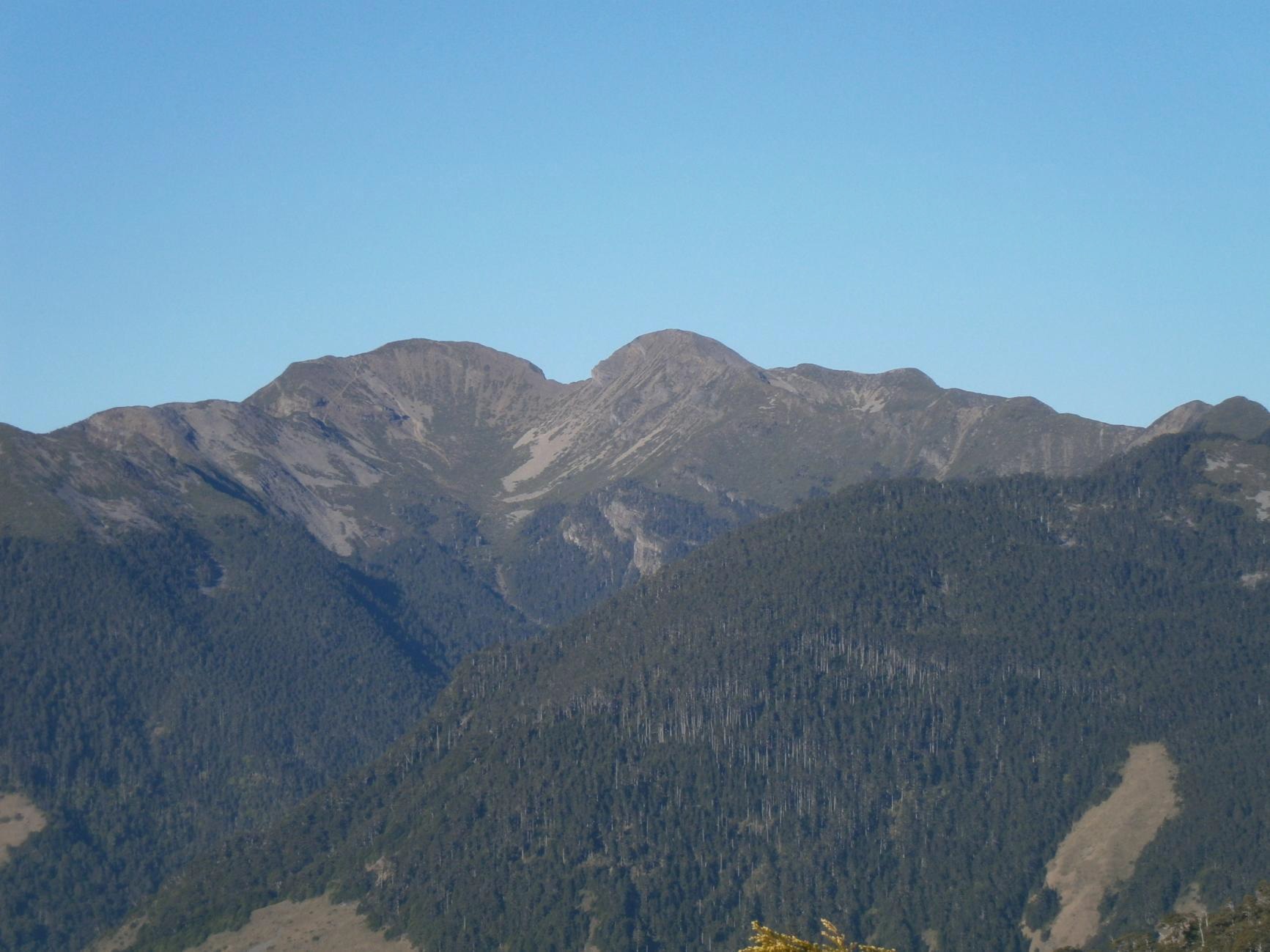
Mighty Zhongyangjian Shan’s prominent pyramid towered in the distance, and this day’s constant views of it amplified my desire to climb it.

Zhongyangjian Shan in the distance.

From Chiyou Shan, we headed to Pintian Shan.

Pintian Shan in the distance.

A good view of Tao Shan and Chiyou Shan, on the way to Pintian Shan. Chiyou Shan is the closer mountain, Tao Shan is the grass-covered peak behind it.

To get to Pintian Shan, you need to go up and down a steep cliff. It is a lot easier than it looks.

At the base of Pintian Shan.

We arrived at the top of 3524m Pintian Shan around 9:30 a.m. Pintian Shan overlooks the holy ridge, and more great views were had. Mutelebu Shan was particularly ominous looking.

Dabajian Shan and Xiaobajian Shan were clearly visible from the top.

Xiaobajian Shan and Dabajian Shan.

Mutelebu Shan was particularly eye catching.

Stunning Scenery – on the way back to camp from Pintian Shan.

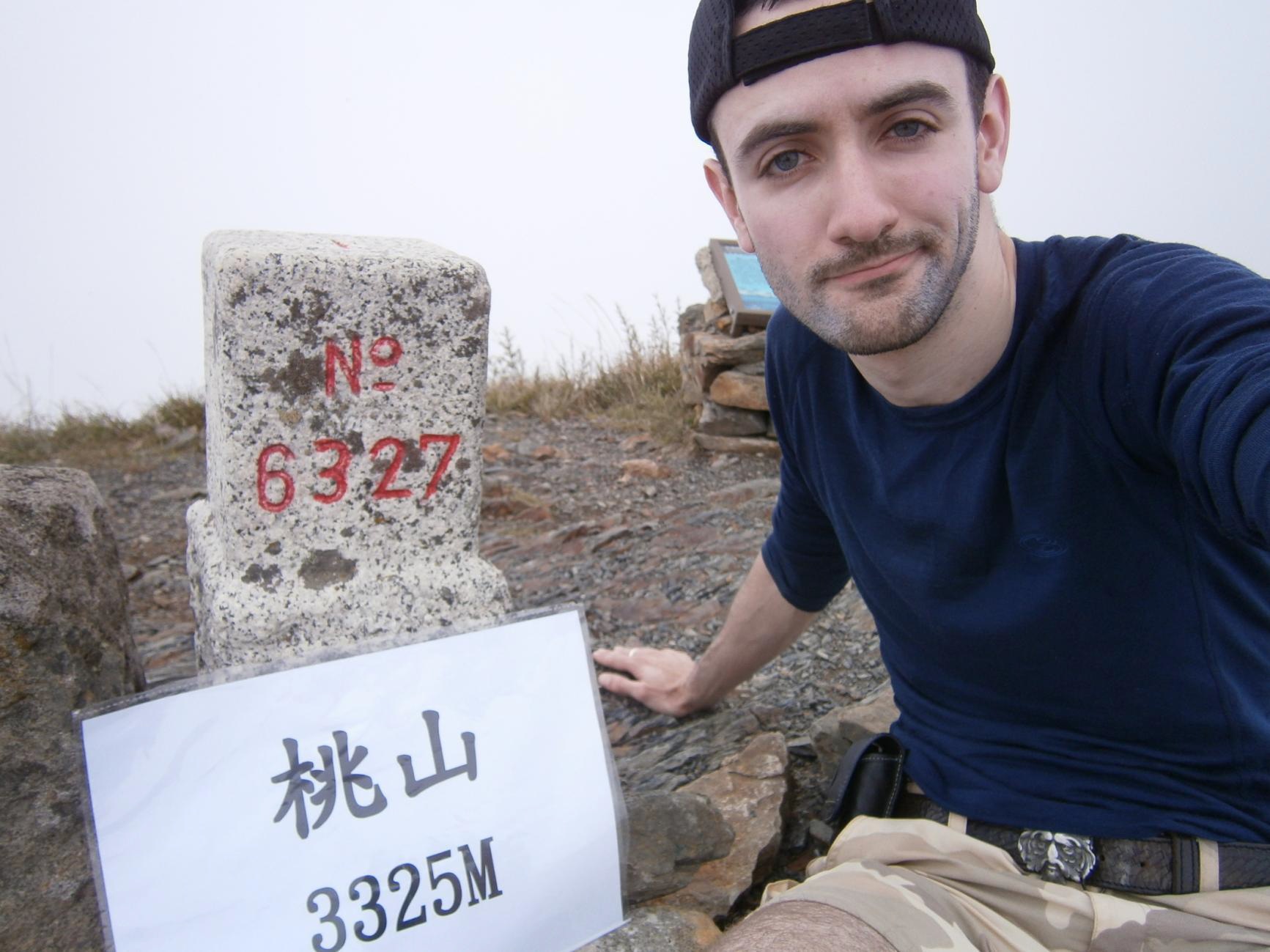
From Pintian Shan, we returned to our campsite, arriving at around 12:00. We cooked up a hot lunch, and I departed for Tao Shan, 2.3km away, at 12:45.  Unsure what the trail terrain would be like and conscious of the time, I arrived at the top of 3325m Taoshan at around 1:50.

Tao Shan in the distance. This photo was taken during my December 2010 Snow Mountain trip.

The clouds rolled in after lunch, and I burned off to Taoshan. With daylight limited, I practically ran there.

From Taoshan, the trail dropped, and continued up and down another 3.5km through pine trees and thick Yushan cane to 3133m tree-covered Kalaye Shan, where I arrived at around 3:45 p.m.

Looking back at Tao Shan, from the Kalaye Shan trail.

Heading back, I arrived at our campsite around 7:15 p.m. – a long ~12 hour day of hiking.

Tree-covered Kalaye Shan in the distance.

Clouds moving in on the way to Kalaye Shan.

The 3.5km trail to Kelaye Shan goes both up and down hill, through dense Yushan cane.

A wonderful view of Nanhudashan (the highest peak to the left) and Zhongyangjianshan (the prominent peak to the right) presented itself.

Day 3: Up at 6 a.m., on the way down around 8 a.m. We arrived at Wuling Villa around 11:45, and were able to hitch a ride back to the visitor center within minutes. Our bus arrived at 2 p.m. to take us back to Taipei.

Accessibility

We chose to camp, but there are two mountain cabins (Xinda cabin and Tao cabin) on the ridge which make the route more accessible.  See the map up top.  For camping, there are quite a number of spots large enough and sheltered enough to pitch comfortably.  Our campsite, the Sancha site, would comfortably fit two tents.

Wuling Farm, where the trailhead is located, is fairly easy to access.  We took a bus from Taipei to get there (~4 hours).  Be warned that buses don’t run to the trailhead itself, only to the Wuling Farm visitor center.  It is fairly easy to hitch a ride all the way to the trailhead.  More information here (in Chinese): http://www.wuling-farm.com.tw/location/index.php

Hiking the Sixiu requires a national park entry permit, as well as Police issued mountain entry permits.  Both are easy to apply for.  The Shei-Pa National Park permit website (in Chinese) is located here:
https://apply.spnp.gov.tw/
Police permits can be applied for here (In Chinese).  For the website to load, you need to use Internet Explorer and adjust the encoding for ‘Chinese Traditional, Big5′ (found through Page -> Encoding):
http://eli.npa.gov.tw/E7WebO/index02.jsp
Chilai Shan – 奇萊山 – May 2012

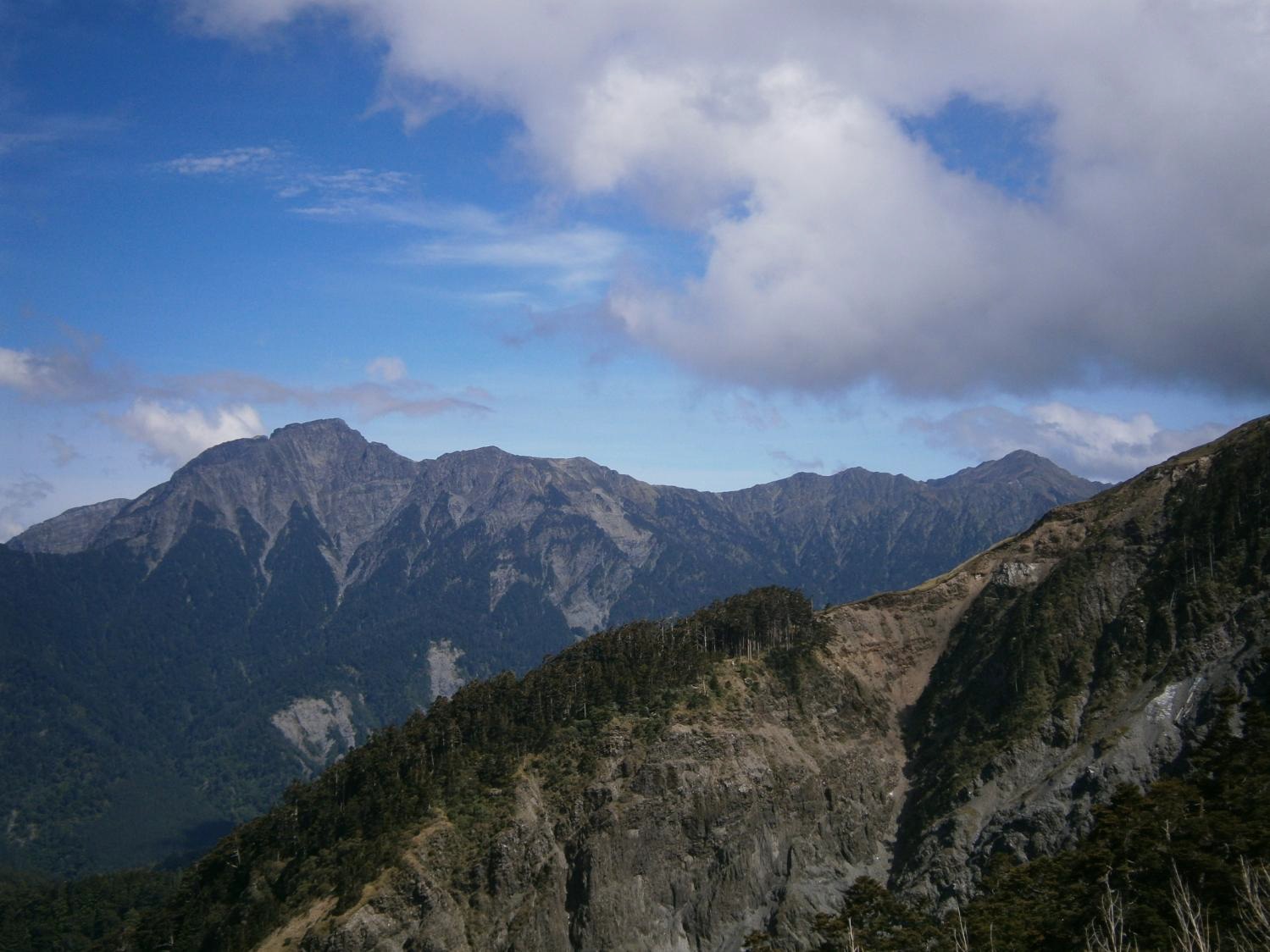
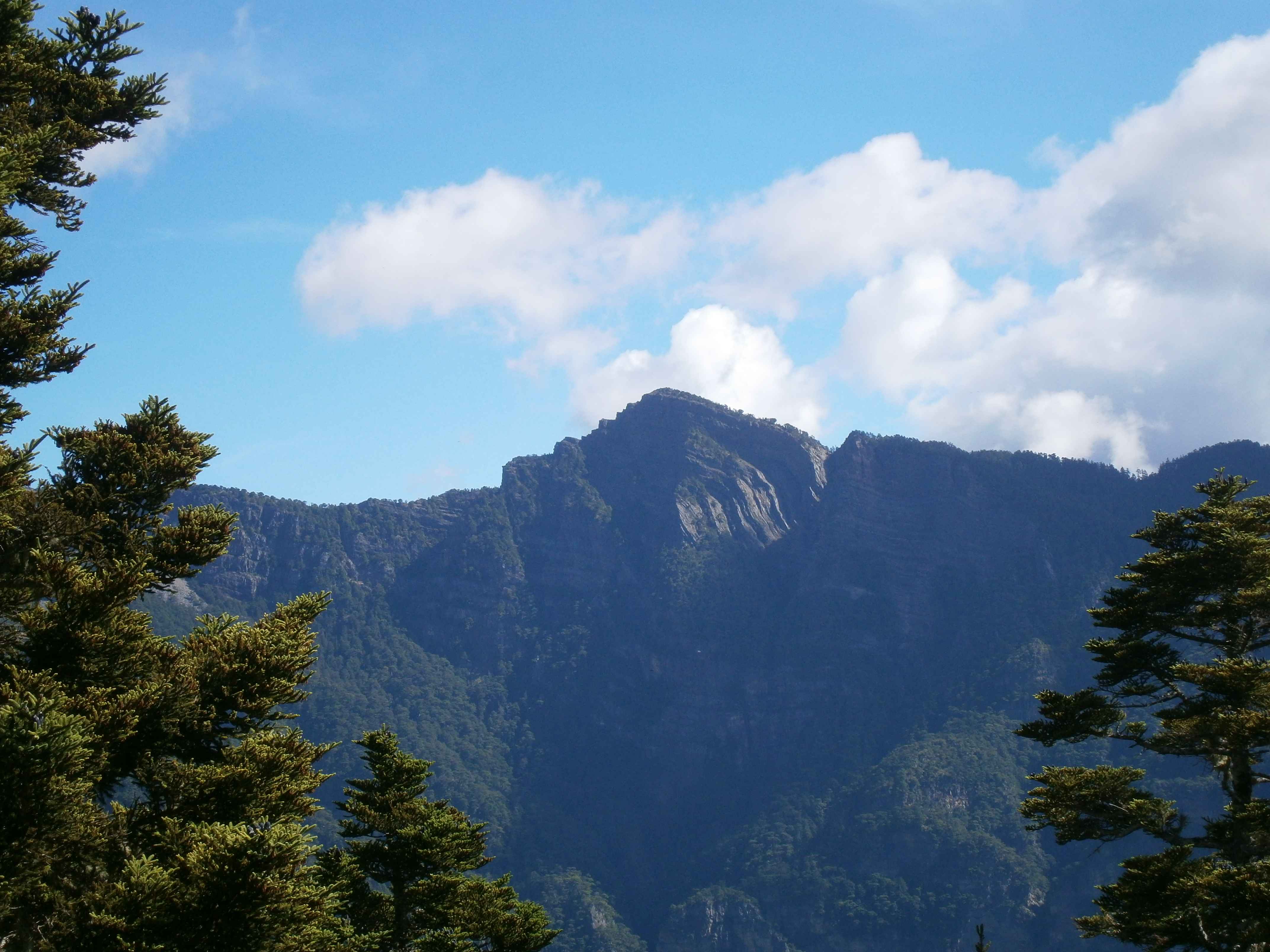
The North peak of Chilai Shan, as viewed from across the valley. I took this photo the week prior, while hiking the north-west ridge of Hehuan Shan.

Chilai Shan (奇萊山), commonly referred to as “Black Chilai”, is one of Taiwan’s better known 3000+ meter mountains.  Its fame is largely due to the accidents it has been host to. The “Black Chilai” name plays reference to the shiny black rock which forms the face of the imposing North Peak, as well as the unlucky reputation the mountain has.

The ridge we would hike. Chilai’s north peak (3607m) to the left, main peak (3560m) to the right.

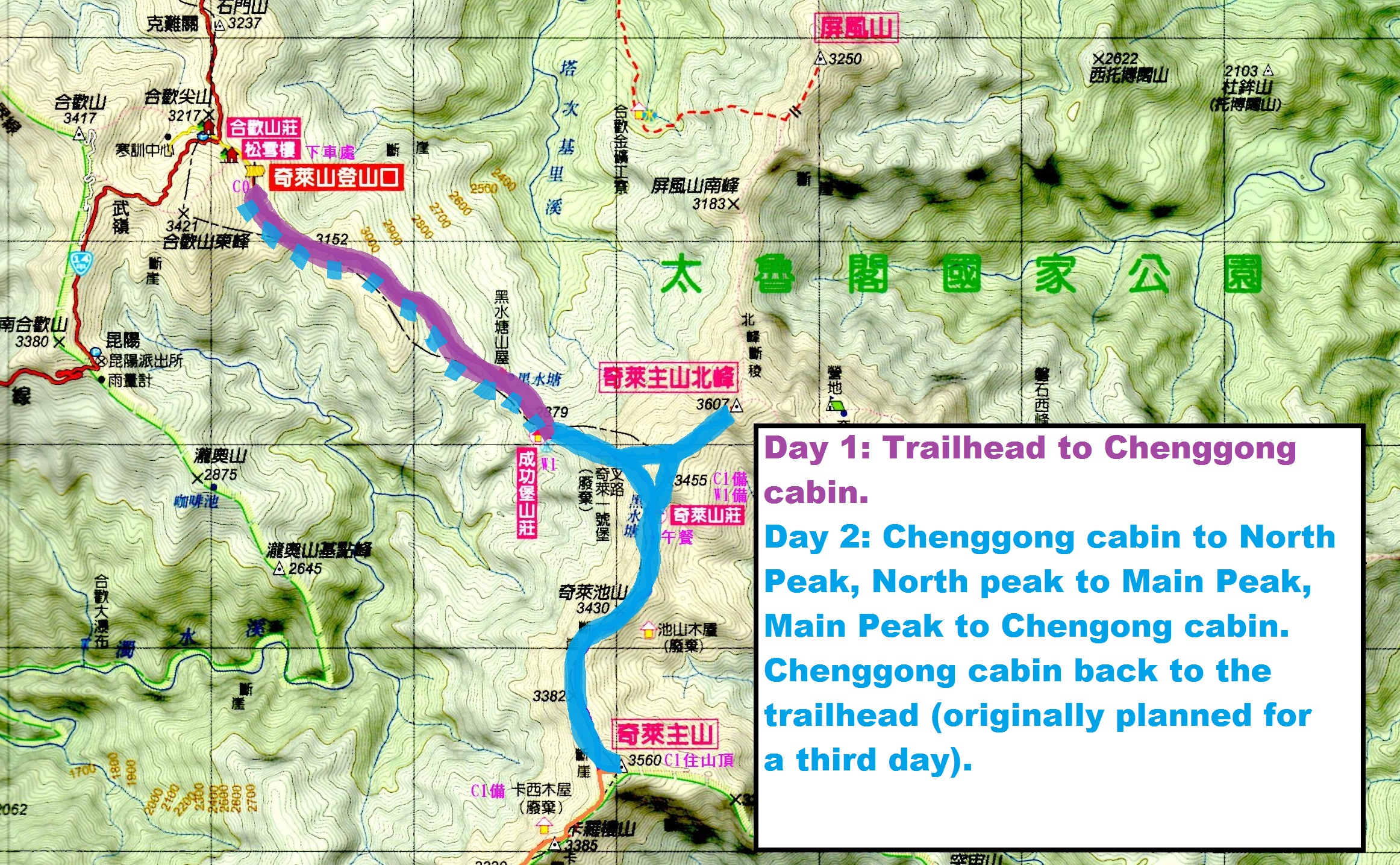
The North and Main peaks are both steep and somewhat exposed, making for an interesting hike. The area is famous for horrendous weather, but we were lucky and during the day we spent up on the ridge we had sunshine, sparse clouds, and very clear skies. Here is a rough outline of the trip itinerary:
Our two day hiking route.

The trail to Chenggong cabin. A downhill route descending into the valley between the Hehuan and Chilai mountains.

Day 1: Our trip began with a 7:00 a.m. bus from Taipei to Puli, arriving around 11 a.m. We rented a scooter in Puli and drove 2 hours, through light rain showers, to the trailhead. From there a two and a half hour hike, mostly downhill through alpine meadows and thin patches of forest, took us to the Chenggong cabin, where we would spend the night. The weather wasn’t promising; the sky opened up and rained heavily on the way to Chenggong, and we arrived with our raingear dripping wet.

Day 2: Our plan was to wake up at 4 a.m. and begin as the sun rose, but a large Taiwanese group sharing the cabin with us got up at 2:45. They were noisy, so rather than try to sleep we got up as well.

We began hiking up towards the Chilai ridge, through thick clouds and strong wind, at around 4 a.m. It was startlingly cold for the spring. The route up to the ridge was exposed and very windy, but granted us occasional glimpses of blue sky as thick clouds billowed past us. From the ridge, we turned left towards the North Peak of Chilai. The trail evened off considerably, and took us across nearly level alpine meadow, studded with rhododendrons in bloom, to the base of the North Peak, a pyramid of black rock.

The path up at the start of the North Peak.

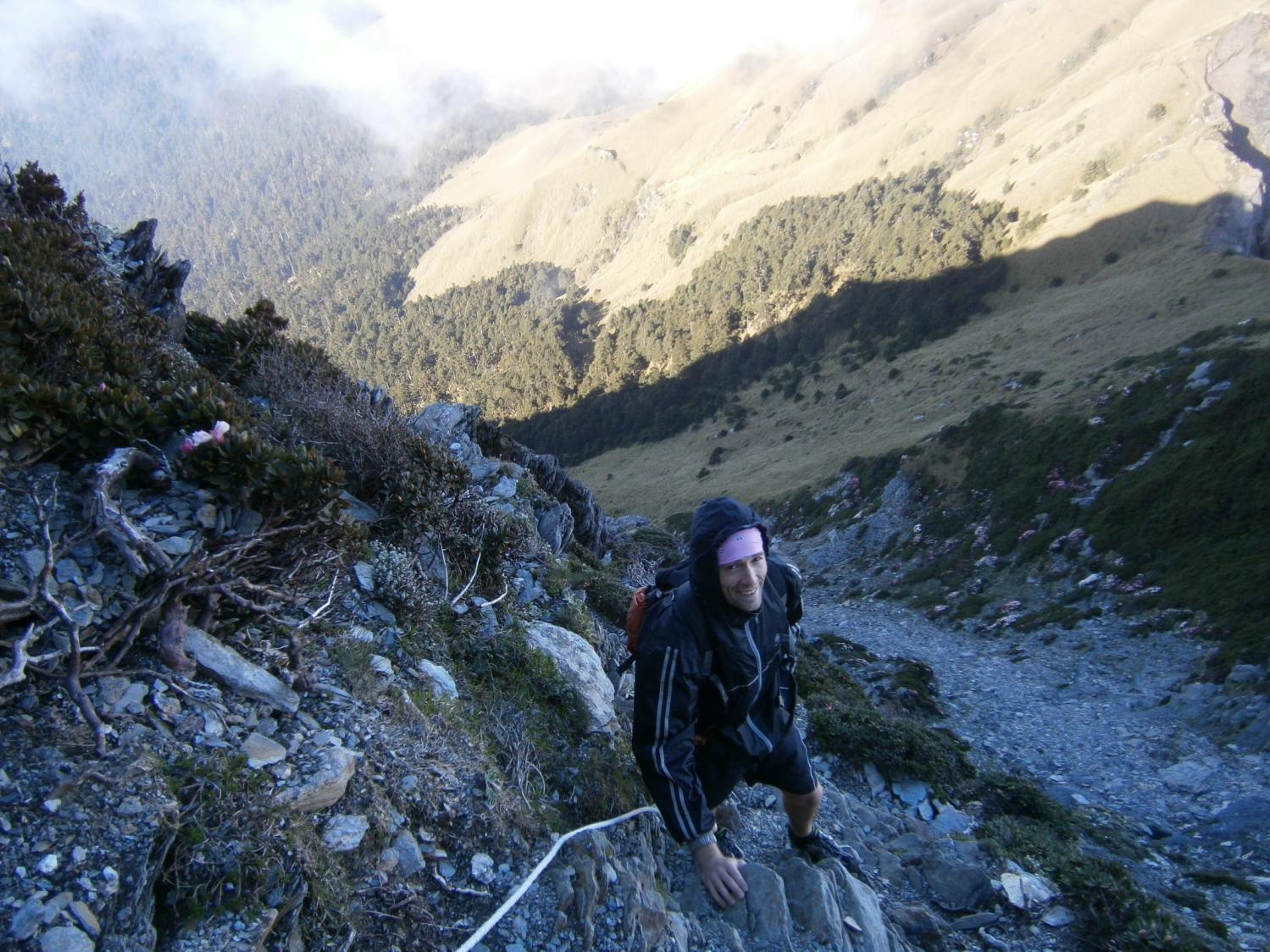
From the base of the North Peak the trail became steeper and entertaining, with fixed ropes taking us up the sharp face. At this point the wind had become quite strong and our hands, gloves wet from the ropes, were cold – a real surprise for spring weather.

Headed up the north peak.

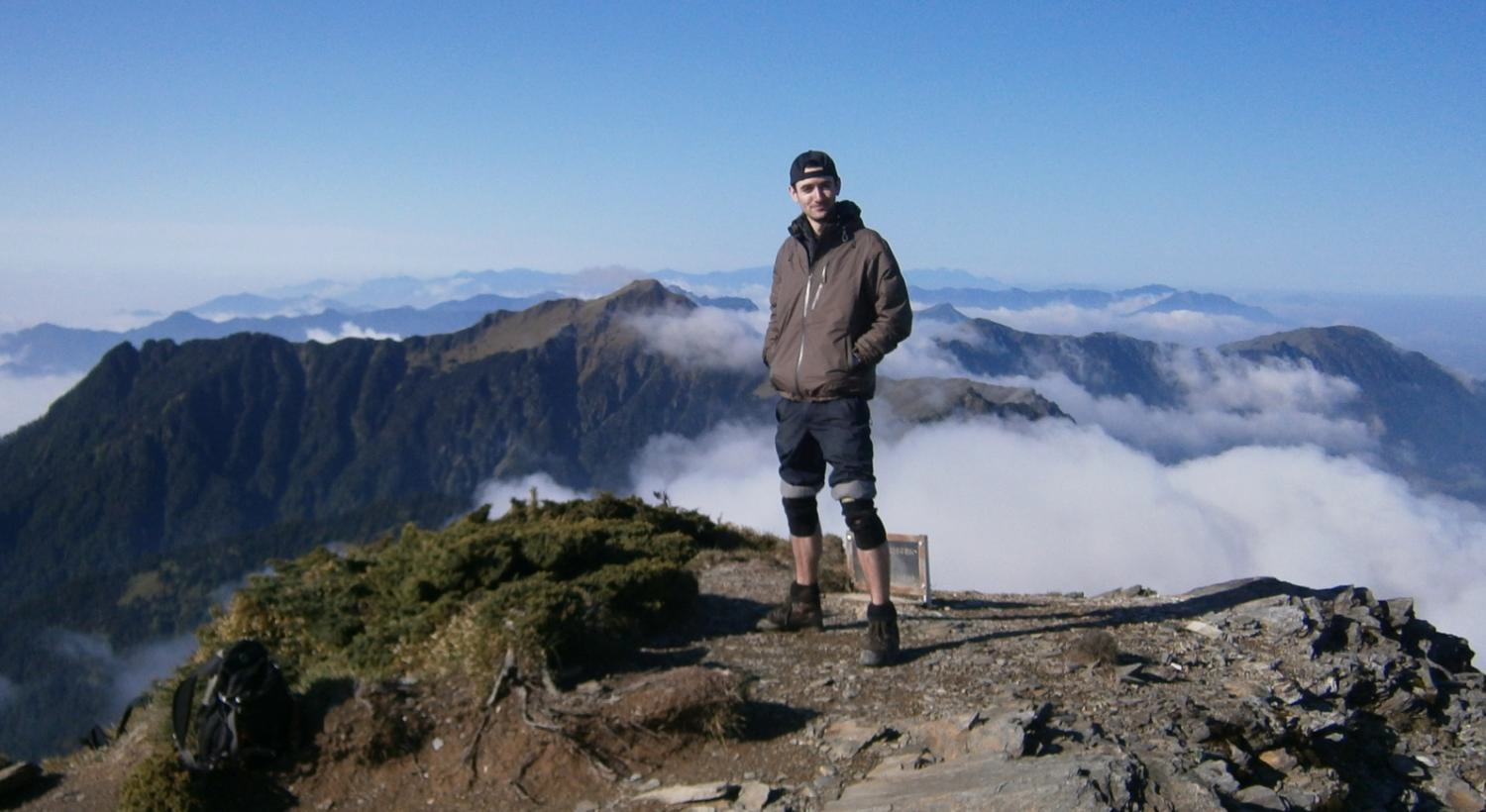
We reached the top of the Chilai North Peak (3607m) at around 6:45. On the way up the clouds settled, the sun came out, and the weather became clear and glorious, revealing awesome views of Chilai Main Peak, the Chilai ridge, and the nearby Hehuan mountains.

On top of the north peak. Still surprisingly cold.

The cloud ocean.

The main peak of Chilai was visible (just to the left of me)

Part of the Hehuan mountains, where I was hiking the weekend prior to this trip.

The trail far below us. In this photo, the Taiwanese team is approaching. Look carefully between the patch of trees and the cliff. Their leader is wearing a red jacket.

We stayed on top for around half an hour, taking photographs and enjoying the amazing views. Below, we eventually saw the large Taiwanese team approaching across the ridge, their tiny forms giving scale to the impressive scenery laid in front of us.

Zoomed in, the approaching Taiwanese team is easier to see. You can spot rhododendron bushes in full bloom along the ridge to the right.

More rhododendrons.

The North Peak loomed behind us as we headed back across the ridge. The Taiwanese team is headed up. Look in the middle of the photo, near the bottom.

After descending the North Peak we hiked across the ridge, stopping for lunch at the very primitive Chilai cabin and passing several interesting areas of barren grey rock.

The very rough (and leaky) Chilai cabin, where we stopped for lunch.

The main peak of Chilai in the distance.

We arrived at the Chilai Main Peak (3560m) at around 11 a.m. The views from the Main Peak perfectly complemented the North Peak’s scenery; we could see the North Peak we’d come from several hours earlier, and had impressive views of the valley and South Chilai ridge. Descending the Main Peak, we arrived back at Chenggong cabin around 2:40 p.m.

On the main peak.

We had a great view of the Chilai ridge from the Main Peak. With no cloud cover, you can see the entire route that we took from the distant North Peak (to the right).

The North Peak looked impressive in the distance.

The south ridge looked amazing, with clouds billowing up its side.

The North Peak of Hehuanshan in the distance. The big aircraft reflector makes it easy to spot.

Originally, the plan was to make this a three-day trip, with a second overnight at Chenggong. However, with such awesome weather, and making good time, we decided to return home rather than share the cabin another night. We packed up quickly and left the cabin at 3:20.  With my friend’s speed a good motivator for my own, slightly slower pace, we covered the 4.8km of uphill terrain at a good clip and got back to the trailhead at 5:00 p.m.. From the trailhead, we drove back to Puli, and got a bus back to Taipei where we arrived at 11:30 p.m.

Part of the route back to the trailhead. Mostly uphill, through gorgeous meadows and intermittent forest. With the sun out, it was really hot!

The meadows looked pristine in the sun.

The trailhead, with the north peak in the distance.

Accessibility

The Chenggong cabin was very comfortable, albeit a little noisy to share.  There are several spots where one could camp up on the ridge, and one or two spots nearby the cabin.  The cabin is positioned right beside a stream, making for an easy water source.

The Chilai trailhead is easy to access.  Buses run from Taipei to nearby Puli (3-4 hours), from where one can drive to the trail-head in around 2 hours.  There are plenty of motorbike rental shops in Puli, although they may require a local driver’s license.

Hiking Chilai requires national park entry permits from Taroko National Park, as well as Police issued mountain entry permits. The park entry permit requires two Taiwanese group members; one as the “group leader”, and one as the “emergency contact”.  We did this hike alone (neither of us Taiwanese); my Taiwanese friend never seems to make it on these hikes. The Taroko National Park permit website (In Chinese) is located here:
http://permits2.taroko.gov.tw/welcome/index.aspx
Police permits can be applied for here (In Chinese).  For the website to load, you need to use Internet Explorer and adjust the encoding for ‘Chinese Traditional, Big5′ (found through Page -> Encoding):
http://eli.npa.gov.tw/E7WebO/index02.jsp